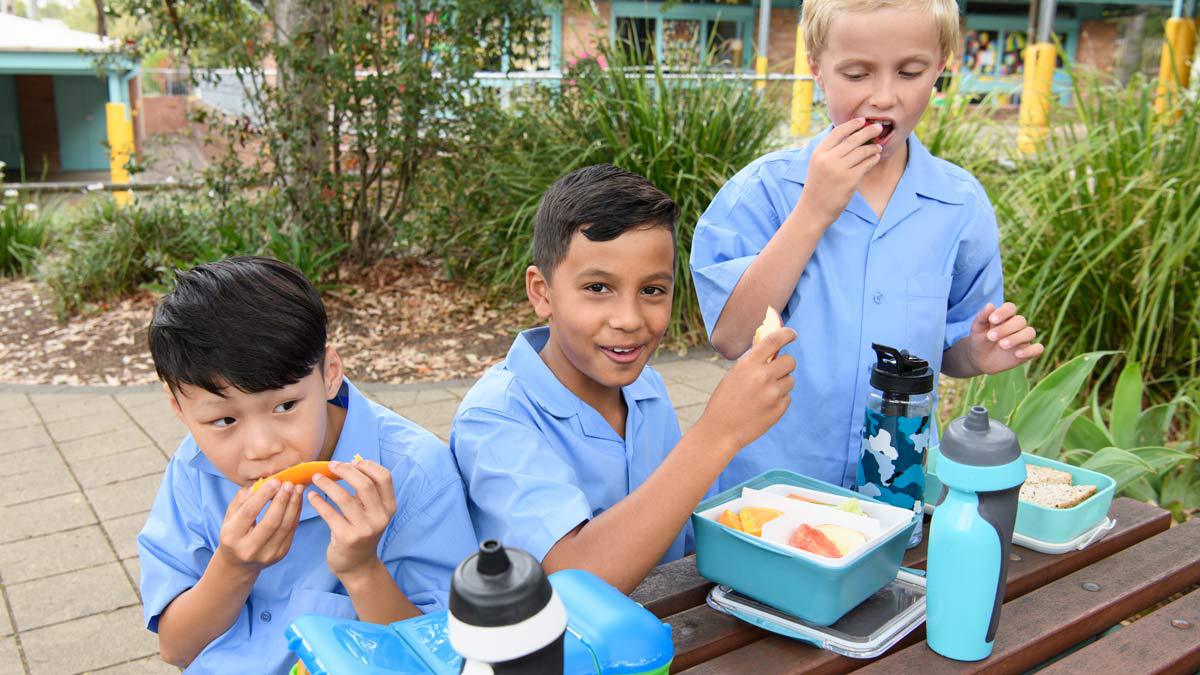
And in the middle of all that, you’re trying to figure out what to pack in their school lunch box.
It can be hard to know which snacks and drinks are nutritious and delicious, so we’ve compiled a list of some of the healthiest and tastiest lunch-box friendly foods we’ve found through CHOICE testing.
These lunchbox-friendly products scored highest for nutrition as well as being less than 600kJ per serve
Here’s the lowdown on which products aced our tests, as well as advice on choosing healthy options.
Coles Choc Chip Muesli Bars.
Nut-free muesli bars
Muesli bars tend to have a healthy image – after all, what’s not to like about a bar full of wholegrains and dried fruit?
But they are often loaded with sugars (to hold them together) and fat (to make them taste good). And of course if your school has a nut-free policy, many of the bars aren’t suitable for lunchboxes.
So we scoured the supermarket shelves in 2019 to find lunchbox-friendly options, then compared them nutritionally.
Uncle Tobys Chewy Choc Chip.
These lunchbox-friendly products scored highest for nutrition as well as being less than 600kJ per serve (the recommended energy intake for snacks):*
Uncle Tobys Chewy Choc Chip
Coles Choc Chip Muesli Bars
When choosing a muesli bar, look for ones with whole grains, fewer additives, lower sugar and higher fibre levels. Find out more – including which is the most indulgent option – in our muesli bar buying guide.
*Woolworths Chewy Muesli Bars Choc Drizzle was also one of the healthiest bars we reviewed, but does not currently appear to be available.
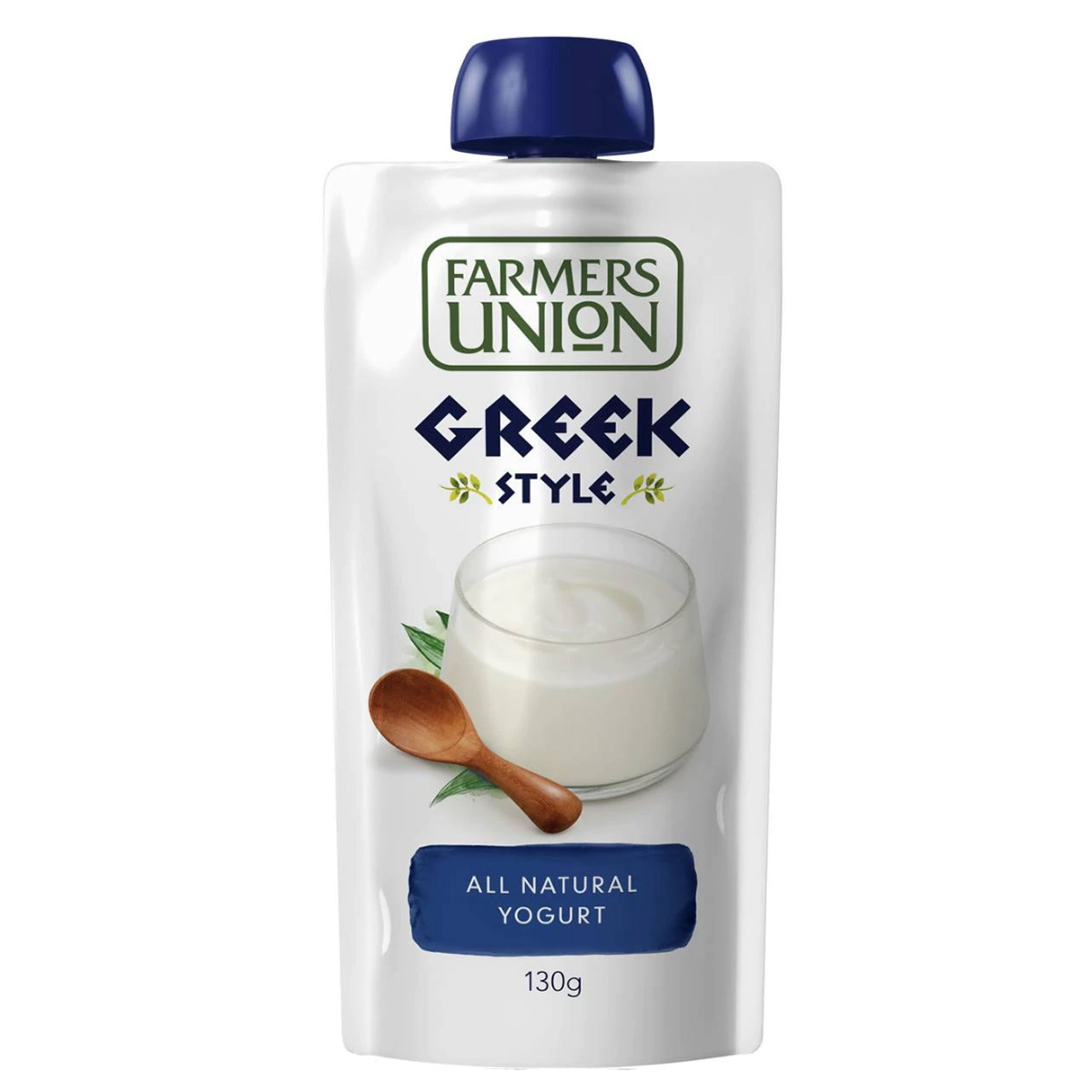
These individual pouches of yoghurt are a firm favourite of kids, and can even be frozen and used instead of an ice block to keep lunch boxes cool (although the yoghurt’s texture will change once thawed).
But with hundreds of products to choose from in categories including high protein, Greek and Icelandic style skyr – how do you know which yoghurt is best for your kid’s lunch box?
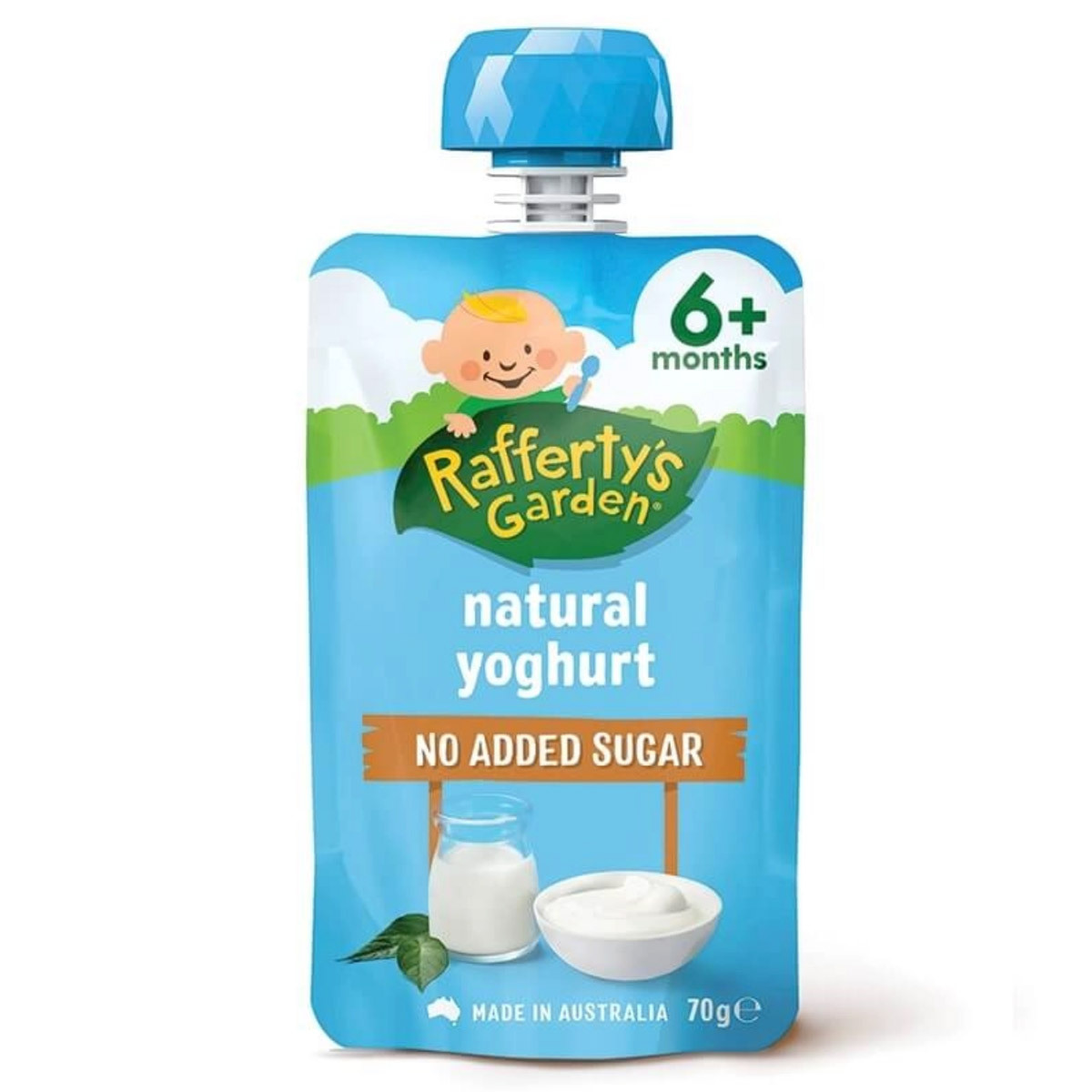
Rafferty’s Garden Natural Yoghurt.
The good news is that when it comes to nutrition, you could certainly do worse than picking almost any squeezy yoghurt pouch. But if you want to avoid added sugars and additives, it’s hard to beat regular natural yoghurt which is made up of just two ingredients: milk and live yoghurt cultures.
Or, you can buy natural yoghurt in larger tubs and pour into reusable squeezy pouches.
Find out which yoghurts are a good source of calcium, low in fat, contain the most sugar and more in our yoghurt pouches review.
Vegemite
The humble Vegemite sandwich has been a staple in children’s lunch boxes for decades. But how does the Aussie icon stack up against other vegetable or yeast extract spreads?
We taste tested nine products and compared their nutritional information. The runaway winner was…
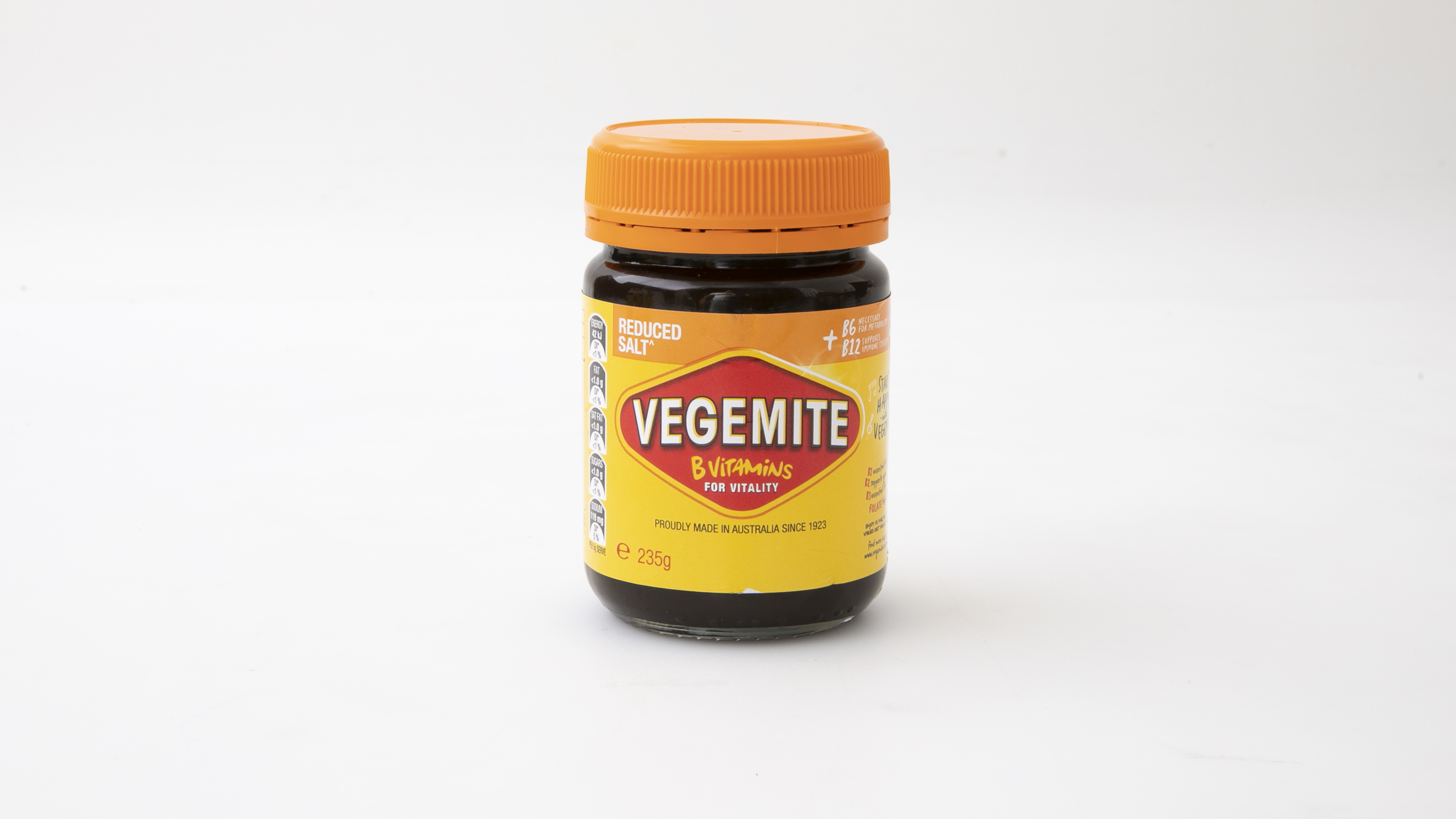
Vegemite Reduced Salt.
Vegemite Reduced Salt with a CHOICE score of 82% – 11 percentage points higher than the ‘original’ version.
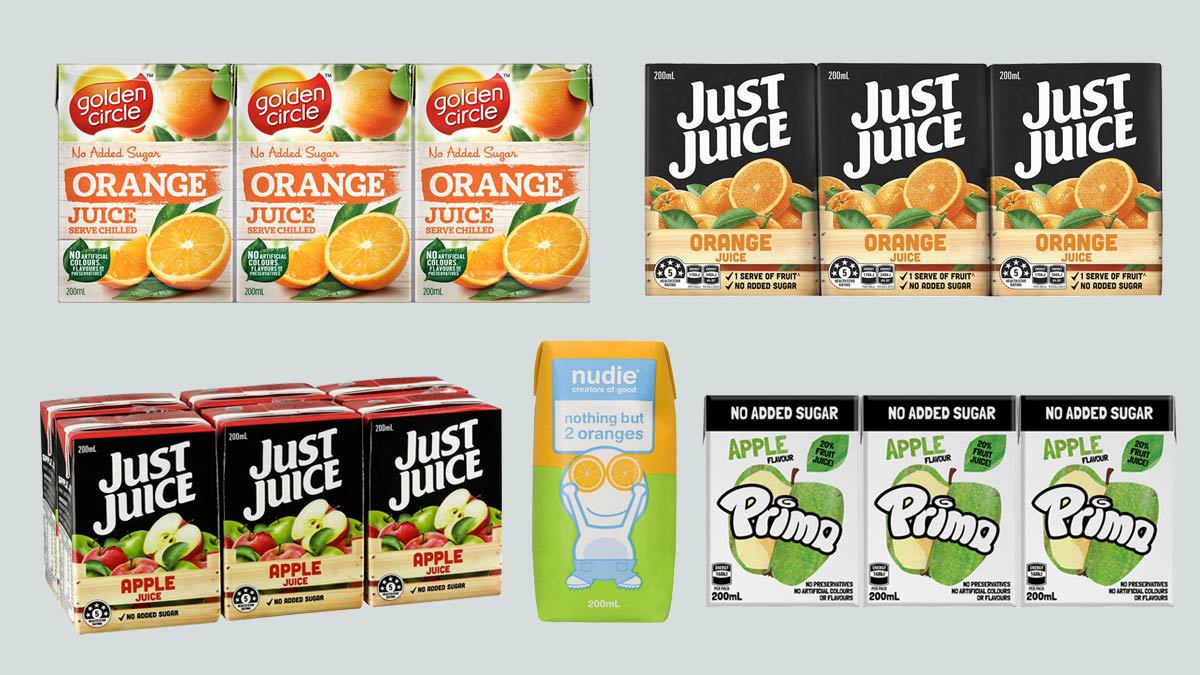
These apple and orange juices contain no added sugar and are a lower kilojoule option.
Juice boxes
Many kids love fruit juice (despite water being the best drink for them), but there are many brands out there and some are far healthier than others.
So if your child is hankering for a fruit juice in their lunch box from time to time, consider one that contains no added sugar and is a lower kilojoule option (e.g. 370kJ or less per pack).
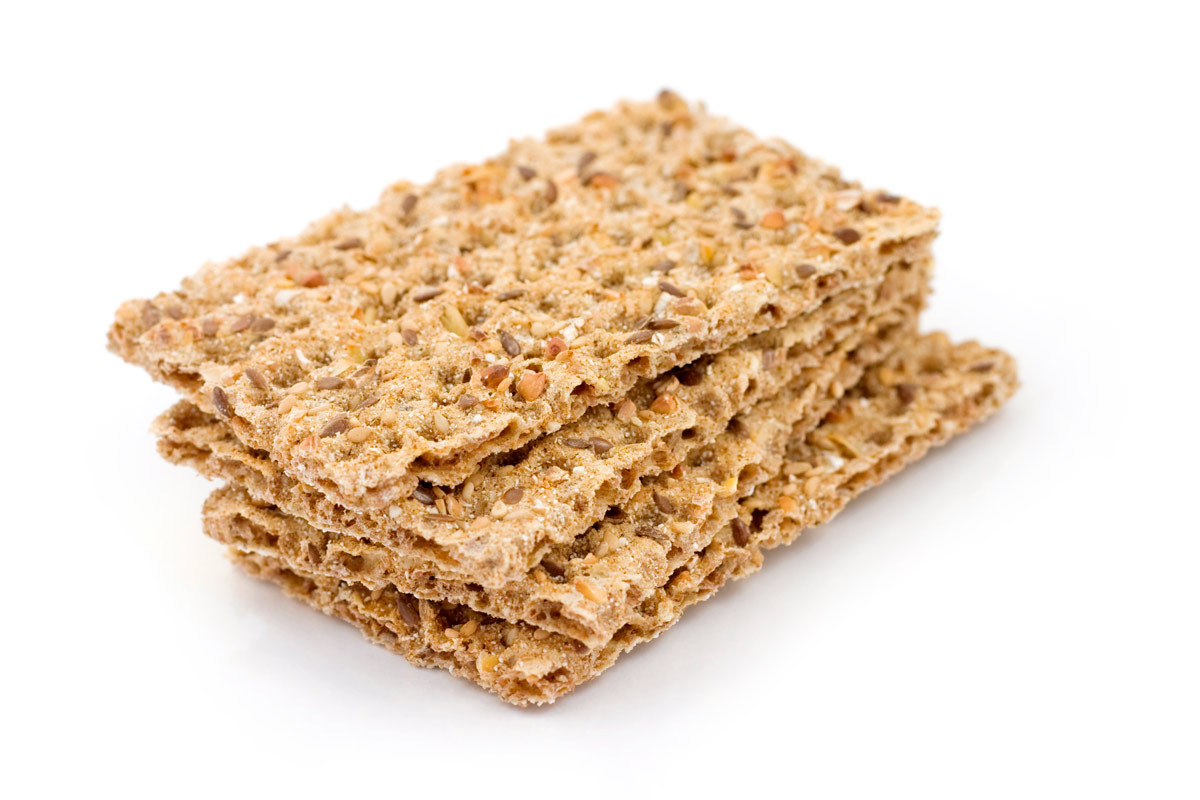
Wholegrain crispbreads are a good choice for lunch boxes.
Crackers
Crackers are a popular savoury recess snack, often topped with hummus, cheese or vegemite. But our research finds that not all crackers are equal when it comes to nutrition.
So if you’re shopping for a healthy option, look for these products first and compare crackers using the nutrition information panel on the pack. (Use the 100g figures, as serving sizes differ between products.)
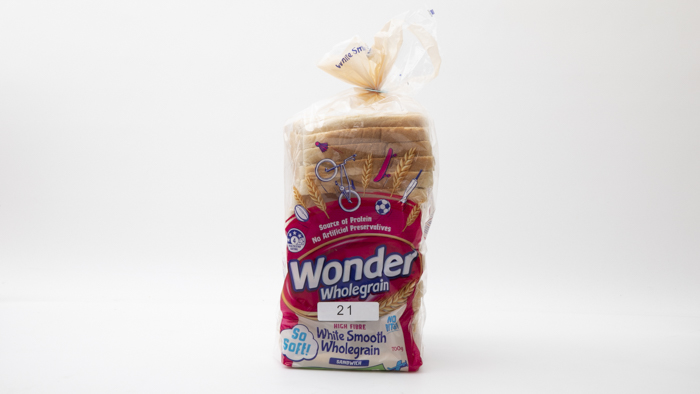
Wonder Wholegrain White Smooth Wholegrain.
Sliced white bread
When choosing a healthy bread, products containing wholemeal or wholegrain are best.
But if white bread is what your kids prefer, consider loaves that contain fibre – the higher the better. (According to the Food Standards Code, a product is considered an “excellent source” of fibre if it contains at least 7g of dietary fibre per serve.)
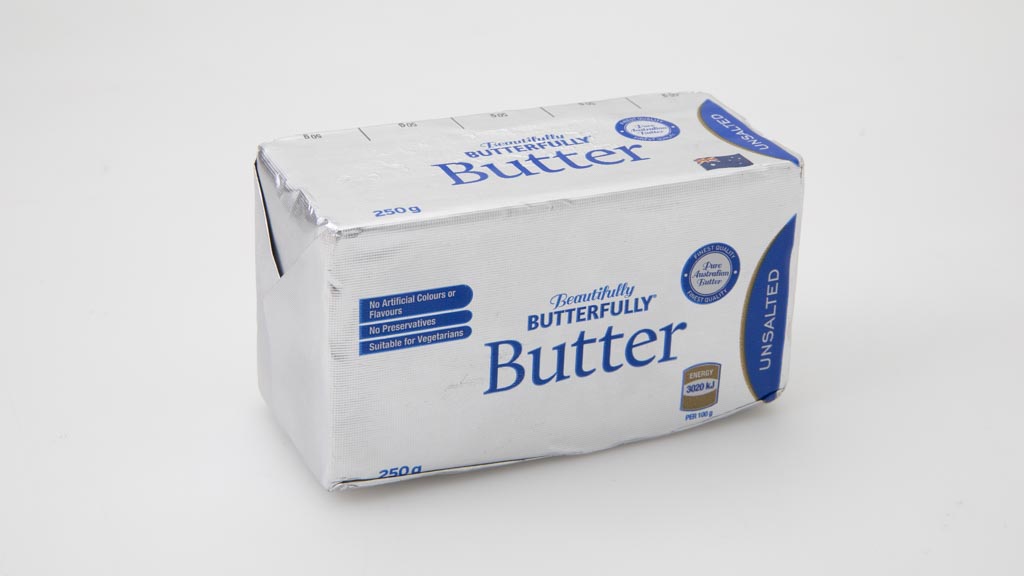
Despite being made primarily of cream, our review of supermarket butters found that not all are made equal – with one butter receiving a CHOICE expert score of just 51%.
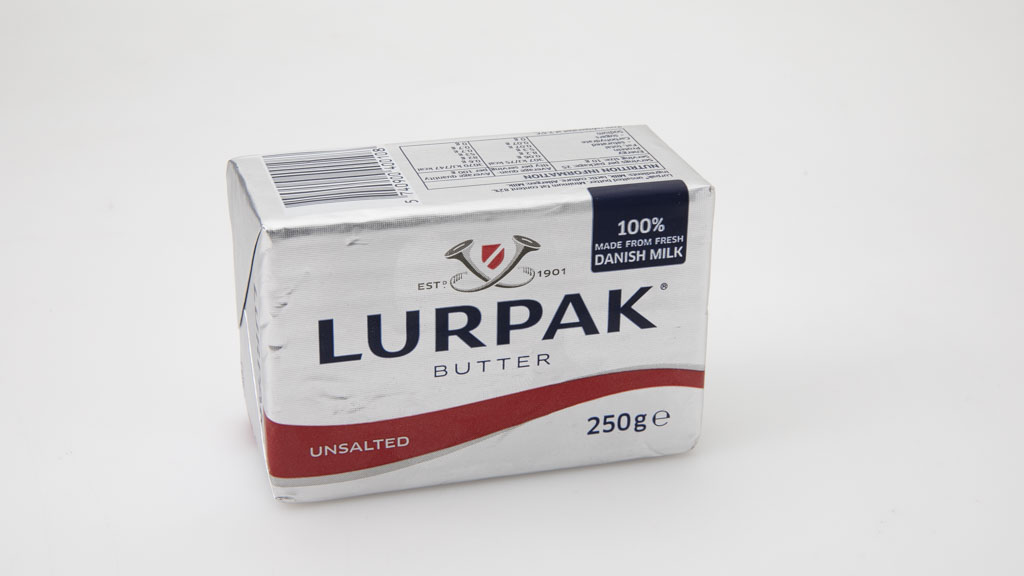
Lurpak Unsalted Butter.
If you’re after the best unsalted option for your kid’s lunch box, Beautifully Butterfully Butter Unsalted and Lurpak Unsalted Butter tied for the top spot in our review of supermarket butters, with both earning an expert score of 83%.
Find out which other butters (salted or unsalted) we recommended in our full review – or get the kids involved and have a go at making your own butter.
According to the 2019 Retail World Annual Report, the ham market is worth over $744 million. But with so many options available on supermarket shelves it can be difficult to know which ham is best to use in lunch box-friendly sandwiches, wraps or a ham and cheese slice.
The winner? D’Orsogna Premium Sweet Honey Leg Ham topped our test* with a CHOICE score of 74%.
Find out which other sliced hams we recommend and learn more about our testing process in our buying guide.
*Don Traditional Premium Thick Cut Ham off the Bone did score higher in our 2019 review (76%) but appears to have been discontinued.
Perfect Italiano Mozzarella.
Shredded cheese
Shredded cheese saves you valuable time in the kitchen and can be used to create a variety of lunch box favourites – from sandwiches and salads to pizza and pasta bakes.
Mil Lel Shredded Baking Blend.
If you’re looking for a tasty and nutritious option, our shredded cheese reviews can help you sort the tasty from the tasteless.
Of the 36 products we reviewed:
Perfect Italiano Mozzarella topped our mozzarella category with an overall score of 84% and nutrition score of 100%.
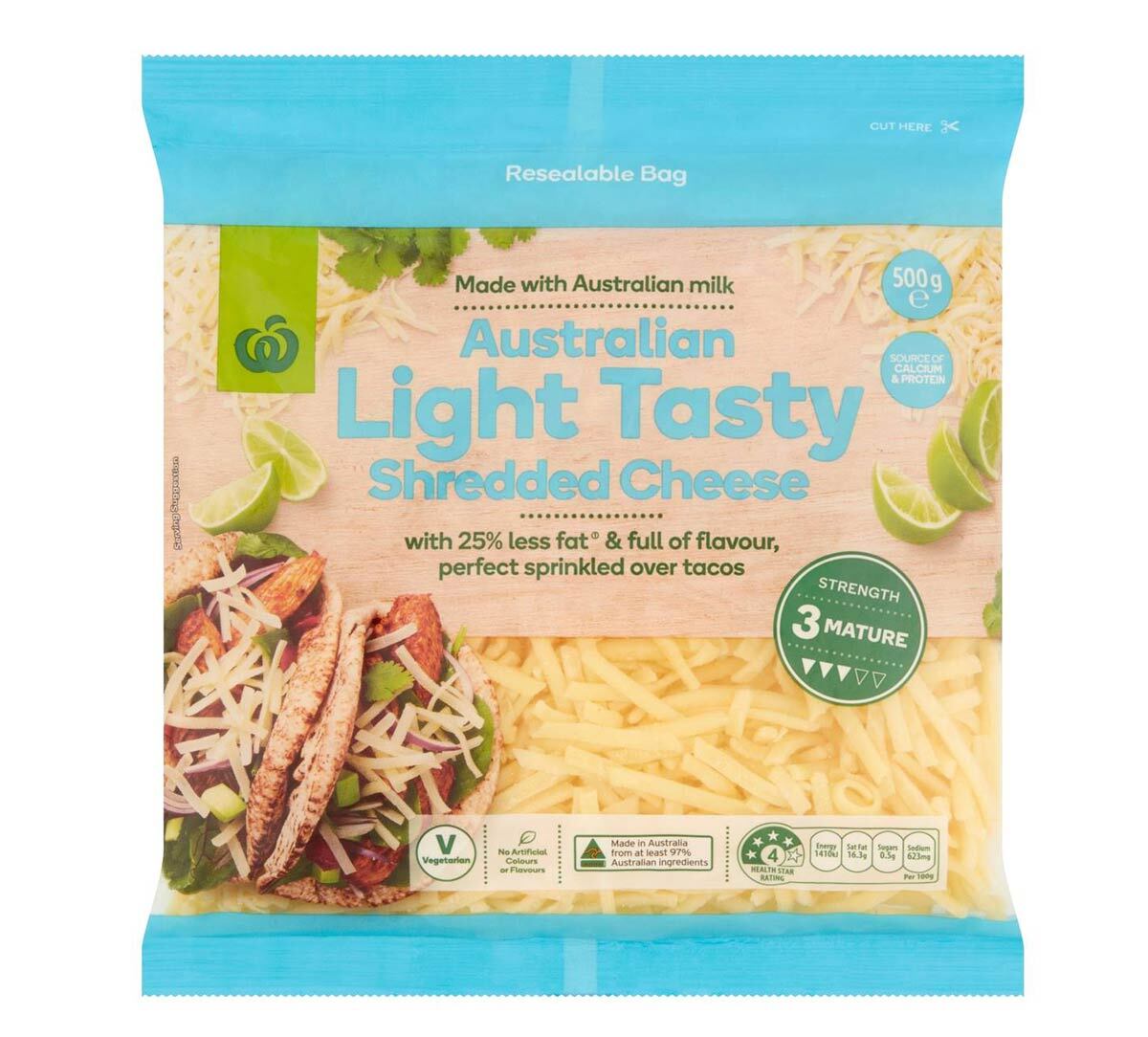
Woolworths Australian Light Tasty Shredded Cheese.
Of the cheese blends we looked at, Mil Lel Shredded Baking Blend (a mix of mozzarella, cheddar and parmesan) performed well, scoring 80% overall and 100% for nutrition.
The cheddar/tasty cheeses we tested generally scored lower for nutrition because of their high fat and salt content.
But of those tested, Woolworths Australian Light Tasty Shredded Cheese scored highest overall (74%) with an 80% nutrition score.
Read our buying guide for more advice on choosing, storing and using shredded cheese.
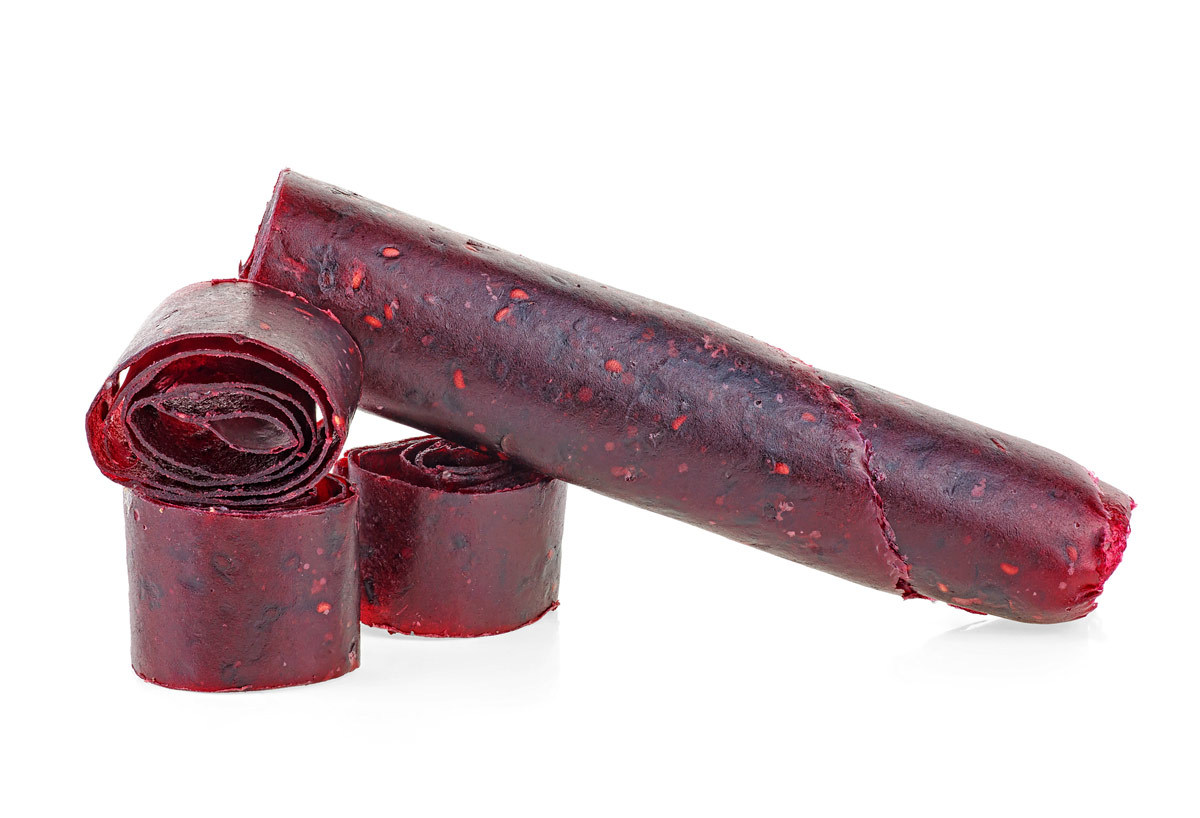
Look for fruit strips with more than 90% fruit and no added sugar.
Other pre-packaged processed snacks
You don’t have to look far at the supermarket to find all kinds of pre-packaged processed foods claiming to be great for school lunchboxes, but not all lunchbox snacks are equal.
When choosing a pre-packaged, processed snack, keep these tips in mind:
Choose popcorn over chips and sweet biscuits.
Less processed cheese sticks or wedges are often a more nutritious option than a packet of crackers and cheese “dip”.
Dried fruit is a better choice than other high salt, high saturated fat products but it is very high in sugar. For fruit strips, look for more than 90% fruit and no added sugar.
Buy diced fruit in juice rather than syrup.
Rice cakes aren’t particularly nutritious but are low in fat and sugar and can be used as a base for healthy toppings like cheese, avocado or hummus.
Check the Health Star Rating (if displayed). These can be used to compare snacks in the same category – the higher the rating, the healthier the snack.
Finding the right balance
It’s unrealistic to expect to pack the perfect lunchbox for your child every day, but we’ve put together a guideline of what’s important and what you should aim for in the mix.
A carbohydrate-based food such as bread, pasta, rice, potatoes or couscous is a good starting point to fill hungry tummies.
Yoghurt and cheese are high in protein and a good source of calcium.
High-protein foods such as lean meat, egg, tinned tuna, tofu and baked beans are good fillings for sandwiches, or for adding to pasta or rice salad.
Pack easy-to-eat fruit and veg such as fruit salad, peeled oranges or mandarins, seedless grapes, cherry tomatoes or snow peas.
Add pre-packaged snacks occasionally (not all are healthy enough to include regularly).
Water is best for keeping kids hydrated, although milk is good too. Drinks with added sugar (cordial, ‘fruit drinks’ and fizzy drinks) are best avoided.
More lunchbox tips
Food safety
Kids in Australia typically start the school year at the hottest time of the year so food safety is a top priority. Keep things cool by using an insulated lunchbox or bag.
Keep food cool
Pack a frozen drink (the best choice is water) and pack it in with the food to help keep it cool until lunchtime, especially for yoghurts, cheese, meats or salad.
Make lunches in bulk and freeze
Consider making your child’s lunches ahead of time and then pop them in the freezer until it’s time to pack them into the school bag. Bread, cheese, vegemite and meats such as ham all freeze beautifully.
Lunchbox love
When the lunchbox comes home (hopefully empty), be sure to wash and dry it carefully, and turf out any cracked or broken boxes and water bottles.
Little kids starting school often struggle with unfamiliar lunchboxes and tricky packaging
Be aware of allergy policies
Many schools now have a policy of banning nuts and nut-based foods due to children with allergies. Be sure to familiarise yourself with your school’s policy and learn to read food labels if you’re buying lunchbox snacks.
Practice makes perfect
Little kids starting school often struggle with unfamiliar lunchboxes and tricky packaging. If you have a new school starter make sure they get some practice opening their shiny new lunchbox before their first day. And if you do include packaged food, consider opening it for them beforehand. Not only will this ensure your child won’t go hungry, but thousands of kindergarten teachers across the land will thank you.
Marianna worked at CHOICE from 2017–2022, writing and editing content on a range of different consumer issues as both a content editor and commissioning editor.
She's conducted in-house taste tests for non-alcoholic wines, uncovered which is the best reusable water bottle, looked at the amount of sweet ingredients in infant foods, and analysed the contents of chocolate variety boxes to find out which are best for caramel lovers, fruit-goo fans and more.
She previously worked for a range of publications in both Australia and the UK including the BBC's Radio Times, The Guardian, The Sun, The Sunday Telegraph and Cosmopolitan.
You can find her on LinkedIn.
Marianna worked at CHOICE from 2017–2022, writing and editing content on a range of different consumer issues as both a content editor and commissioning editor.
She's conducted in-house taste tests for non-alcoholic wines, uncovered which is the best reusable water bottle, looked at the amount of sweet ingredients in infant foods, and analysed the contents of chocolate variety boxes to find out which are best for caramel lovers, fruit-goo fans and more.
She previously worked for a range of publications in both Australia and the UK including the BBC's Radio Times, The Guardian, The Sun, The Sunday Telegraph and Cosmopolitan.
You can find her on LinkedIn.
Rachel Clemons is an award-winning journalist who worked at CHOICE from 2004–2022.
During her time at CHOICE her core focus was on food and nutrition, from reviewing breakfast cereals and fast food to dispelling myths about the benefits of detox kits and gourmet salt or translating confusing food labels – with the occasional taste test thrown in for good measure.
Prior to CHOICE she lived overseas, working predominantly in hospitality when she wasn't travelling and eating her way through various cuisines. She holds a Master of Science in Nutrition from King's College London (where she also researched and wrote for CHOICE's UK sister organisation, Which?), and a Bachelor of Science, Health Sciences from the University of Adelaide.
In 2017 she won the Dietitians Association of Australia's Nutrition Journalism Award and she's currently on the Steering Committee as a Parent Member of Parents' Voice.
You can find her on Twitter and LinkedIn.
Rachel Clemons is an award-winning journalist who worked at CHOICE from 2004–2022.
During her time at CHOICE her core focus was on food and nutrition, from reviewing breakfast cereals and fast food to dispelling myths about the benefits of detox kits and gourmet salt or translating confusing food labels – with the occasional taste test thrown in for good measure.
Prior to CHOICE she lived overseas, working predominantly in hospitality when she wasn't travelling and eating her way through various cuisines. She holds a Master of Science in Nutrition from King's College London (where she also researched and wrote for CHOICE's UK sister organisation, Which?), and a Bachelor of Science, Health Sciences from the University of Adelaide.
In 2017 she won the Dietitians Association of Australia's Nutrition Journalism Award and she's currently on the Steering Committee as a Parent Member of Parents' Voice.
You can find her on Twitter and LinkedIn.
For more than 60 years, we've been making a difference for Australian consumers. In that time, we've never taken ads or sponsorship.
Instead we're funded by members who value expert reviews and independent product testing.
With no self-interest behind our advice, you don't just buy smarter, you get the answers that you need.
You know without hesitation what's safe for you and your family. And our recent sunscreens test showed just how important it is to keep business claims in check.
So you'll never be alone when something goes wrong or a business treats you unfairly.