Only about half of the 650 or so products that are recalled for safety reasons every year in Australia get sent back to the sellers
About 40% of all recalls are for kids' and baby products
We highlight the major retailers with the most product recalls since 2015
In October 2019, the ACCC reported that only
about half of the 650 or so products that are recalled for safety reasons every
year ever get sent back to the sellers.
Not counting motor vehicle recalls, it
meant that about 1.7 million dangerous products were still in people’s homes at
the time, and that about one in four households had a product that
could cause injury. Many recalled products that can be dangerous to children are still available to buy online.
An ACCC spokesperson told us in early
December 2020 that those figures still generally hold true today. “We
estimate it is still correct, despite the pandemic disruption this year,”
the spokesperson said.
Only about half of the 650 or so products that are recalled for safety reasons every year ever get sent back to the sellers
In 2016, CHOICE reported that a 2010 recall
of more than 400,000 electric blankets that posed a fire risk was still puttering
along five years later. As of April 2015, only 12% had been returned.
Samsung started a recall of fire-prone
washing machines in 2013, with plenty of publicity as well as ACCC
intervention. By November
2015, only 65% of the machines had been repaired, refunded or replaced, meaning
over 47,000 machines were still in people’s homes.
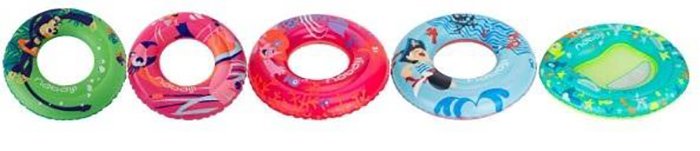
In April 2019, the sporting goods chain Decathlon Australia saw eight product recalls of kids’ flotation devices that lacked label warnings about the risk of drowning.
One big reason for so much product failure
and so many recalls is the lack of a mandatory product safety provision in
Australia.
“Many people would be surprised to
learn there is currently no law that requires businesses to not sell unsafe
products,” said ACCC commissioner Sarah Court when the regulator released
its finding in 2019 – and CHOICE has also been calling for stronger product safety laws in
recent years.
And Commissioner Court was right: in a
CHOICE survey launched around the same time, 93% said they thought there were laws against selling unsafe goods.
Many people would be surprised to learn there is currently no law that requires businesses to not sell unsafe products
ACCC commissioner Sarah Court
“In Australia, two people die and 145
people are injured every day by unsafe consumer products,” Court went on
to say.
In total, there are about 780 deaths and
52,000 injuries a year from unsafe consumer products in Australia, according to
the ACCC.
About 40% of recalls are for kids’ and
baby products, a category that includes toys, which had a very low return
rate when we reported on the issue in 2016.
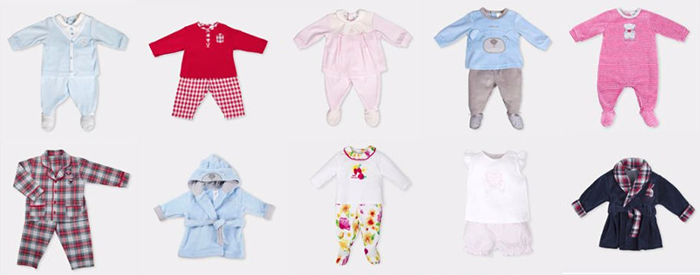
The online retailer Ozsale recalled six kids’ and baby products in 2019 and four in 2015. All were kids’ and baby clothes, and all were recalled because they lacked fire-hazard information.
A recent Queensland Fair Trading operation
discovered six toys for sale in the state that posed a choking hazard – two
plush toys, a wooden alphabet puzzle, a wooden number puzzle, a magnetic number
puzzle and a rainbow circle stacker. All six were removed from the shelves.
The good news is that the increase in
online shopping has brought about improvements in recalled toy returns since
our earlier investigation, as customers are easier to contact in the event of a
recall.
Both CHOICE and the ACCC have called on the federal government to pass mandatory product safety laws, but that has yet to happen
“Return rates for toy recalls have
improved markedly since 2016,” the ACCC spokesperson says.
“The average return rates are now on
par with other products and one in five toy recalls will achieve a return rate
of 80% or higher.”
Both CHOICE and the ACCC have called on the federal government to pass mandatory product safety laws, but that has yet to happen. And product recalls are still coming thick and fast.
CHOICE product safety campaigner, Amy Pereira, says: “It really shouldn’t be up to parents to monitor the safety of children’s toys. They should be able to assume and trust that if the product is made for kids that it’s going to be safe for them to use too. A law requiring manufacturers to ensure products are safe is the only way we can fix the problem.”
Amazon saw four imported kids’ and baby products recalled in April 2020 – all of them magnetic toys that posed a choking hazard.
Retailers
with the most recalls
To get a sense of where most of the kids
and baby product recalls come from, we trawled through the government’s product recall website looking for the stores
that made the most appearances over the
past five years.
We counted recall notices where the retailer was listed as the
supplier, and those from other suppliers where the product was sold at only one
of these retailers.
At the time of writing, there are 1426 kids’ and baby products listed for recall on the ACCC’s Product Safety Australia
website for safety reasons.
The stores with the most recalls since 2015
include the big box discount retailers, with Big W and Target leading the way.
A Big W spokesperson told us that its product recall rates have fallen over the last five years and that recalled products are a small percentage of the approximately 11,000 kids and babies products it sells.
“On average, less that 0.1% of our range has been the subject of a recall during the five year period that CHOICE is investigating, and that figure falls to 0.03% for 2020,” the spokesperson says, adding that “our trading terms require suppliers to have strong controls to ensure that the products they supply are safe, legal and compliant to Australian standards”.
Target did not respond to our request for comment.
Buying
from overseas can be risky
The behemoth online shopping site Amazon
saw four imported kids’ and baby products recalled in April 2020, all of them
magnetic toys that posed a choking hazard.
“The magnets can stick together across
the walls of the child’s intestine or other digestive tissue, which can lead to
internal injuries and even death,” the recall notice says.
Amazon’s pledge
In late November, Amazon signed a voluntary
new e-product safety pledge launched by the ACCC. The pledge commits online
businesses, particularly those that operate marketplaces involving multiple
sellers, to regularly checking Australia’s product recall website to make sure
they’re not selling unsafe products, and to remove unsafe product listings
within two business days. AliExpress, Catch.com.au and eBay Australia have
signed on as well.
Some of the other retailers outlined below
may be less worrisome. But you should still beware when shopping for the types
of items that have been recalled from these retailers.
Text-only accessible version
Common reasons for recalls of kids’ and baby products
– Missing fire safety warnings on nightwear
– Choking hazards from toys with small parts
– Risk of eye and facial injuries from projectile toys
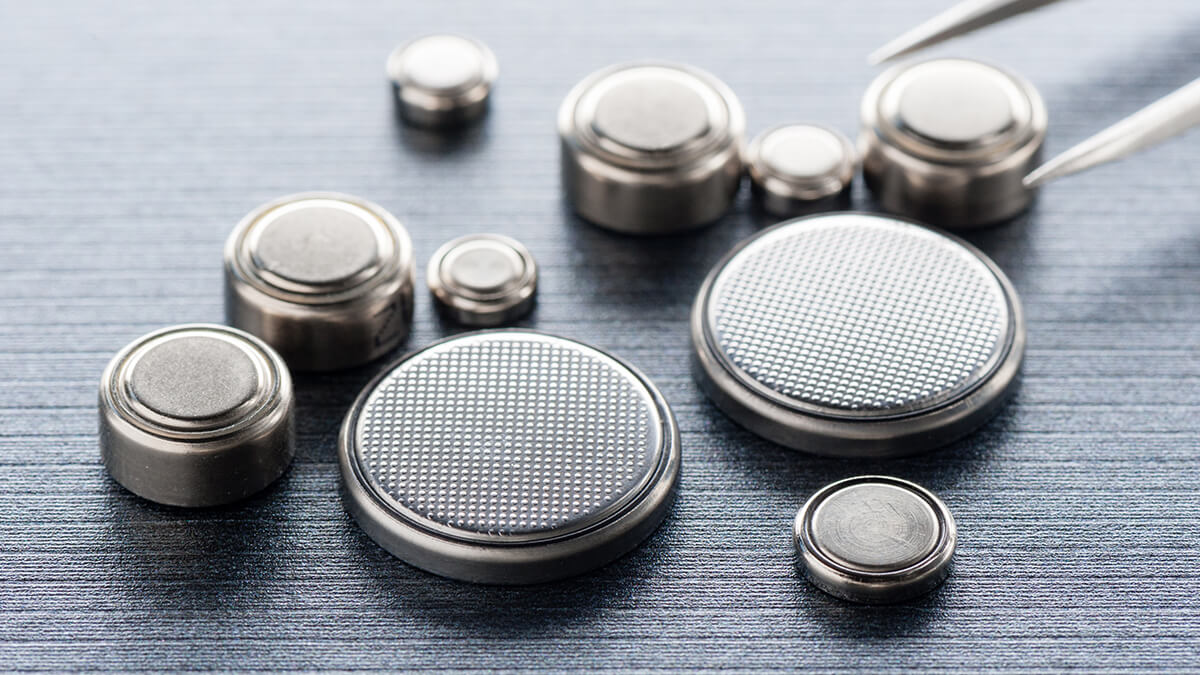
– Inadequately secured button batteries
Other
retailers on the list
Ozsale
The online retailer Ozsale recalled six
kids’ and baby products in 2019 and four in 2015. All were kids’ and baby clothes, and all were recalled because they lacked fire-hazard information – as
required by the mandatory standard, now
called the Consumer Goods (Children’s Nightwear and Limited Daywear and Paper
Patterns for Children’s Nightwear) Safety Standard 2017.
In fairness, many of the baby sleep
products currently available from ozsale.com.au appear to be from well-known
brands that would probably meet safety standards.
But take a close look at any child or
baby product if you decide to shop there.
Daiso
The Japan-based chain Daiso has 37 stores
in Australia and has had 11
kids’ and baby product recalls since 2015. All were for toys, and all were recalled
because they posed a choking or eye and face injury hazard. Daiso is still in
the toy business.
Decathlon
The France-based sporting goods retailer
Decathlon has five stores across NSW and Victoriaand a shopping-enabled website.
In April 2019, Decathlon Australia had
eight product recalls for safety reasons. All were flotation devices and were
recalled due to lack of mandatory safety labelling, which could increase the
risk of drowning.
Still
have one of these products in your house?
Given the low return rate for recalled
products, many of them would still be out there posing a risk. We recommend you
return these products to the retailer for a refund.
Note that some links below show you the
retailer and the recalled products in question, along with products from other
retailers with similar names and recalled products sold by the retailer and
other retailers. But it’s not hard to scroll through and find what you’re
looking for.
Andy Kollmorgen is the Investigations editor at CHOICE. He reports on a wide range of issues in the consumer marketplace, with a focus on financial harm to vulnerable people at the hands of corporations and businesses.
Prior to CHOICE, Andy worked at the Australian Securities and Investments Commission (ASIC), and at the Australian Financial Review. Andy is a former member of the NSW Fair Trading Advisory Council.
Andy has a Bachelor of Arts in English from New York University.
Find Andy on Twitter and LinkedIn.
Andy Kollmorgen is the Investigations editor at CHOICE. He reports on a wide range of issues in the consumer marketplace, with a focus on financial harm to vulnerable people at the hands of corporations and businesses.
Prior to CHOICE, Andy worked at the Australian Securities and Investments Commission (ASIC), and at the Australian Financial Review. Andy is a former member of the NSW Fair Trading Advisory Council.
Andy has a Bachelor of Arts in English from New York University.
Find Andy on Twitter and LinkedIn.
For more than 60 years, we've been making a difference for Australian consumers. In that time, we've never taken ads or sponsorship.
Instead we're funded by members who value expert reviews and independent product testing.
With no self-interest behind our advice, you don't just buy smarter, you get the answers that you need.
You know without hesitation what's safe for you and your family. And our recent sunscreens test showed just how important it is to keep business claims in check.
So you'll never be alone when something goes wrong or a business treats you unfairly.