When Sue Revitt bought her puppy five years ago, little did she know she was also buying into a relationship with an animal plagued by health problems so severe that she’d spend thousands of dollars on vet bills within months of him arriving.
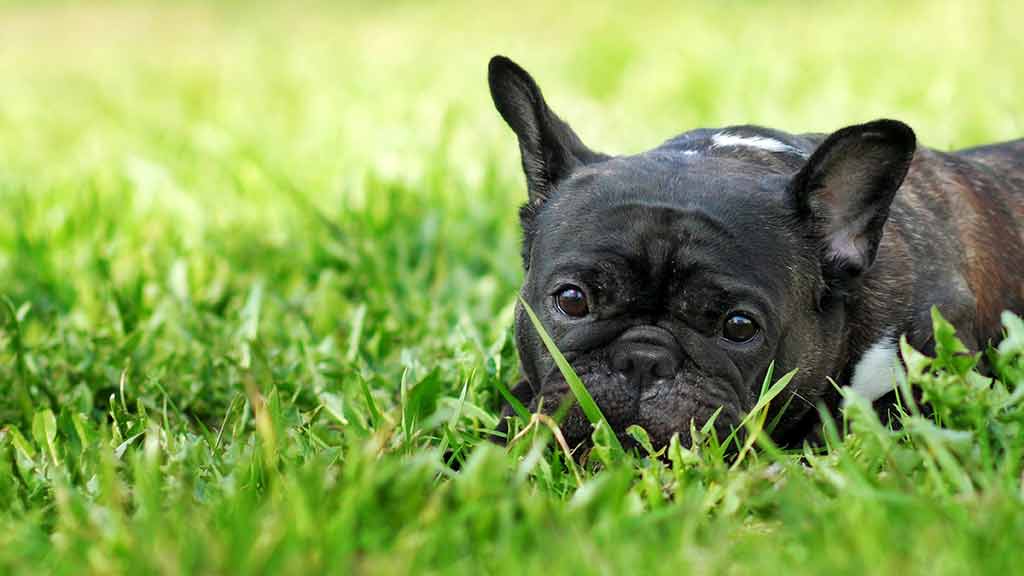
Like many Australians, Sue fell in love with the flat face and pointed ears of the French bulldog. “Frenchies”, along with the bug-eyed, squishy-faced pug and burly British bulldog, are part of what are known as brachycephalic breeds, which are growing in popularity as the “it” dog to own right now.
The real cost of flat-faced dog breeds
Short face, big health problems
Brachycephalic means “short headed” and is the result of breeding for
specific and distinctive physical traits. Apart from certain bulldogs, other common brachycephalic dog
breeds include:
pugs
Boston terriers
Shih tzus
boxers
King Charles spaniels
Pekingese.
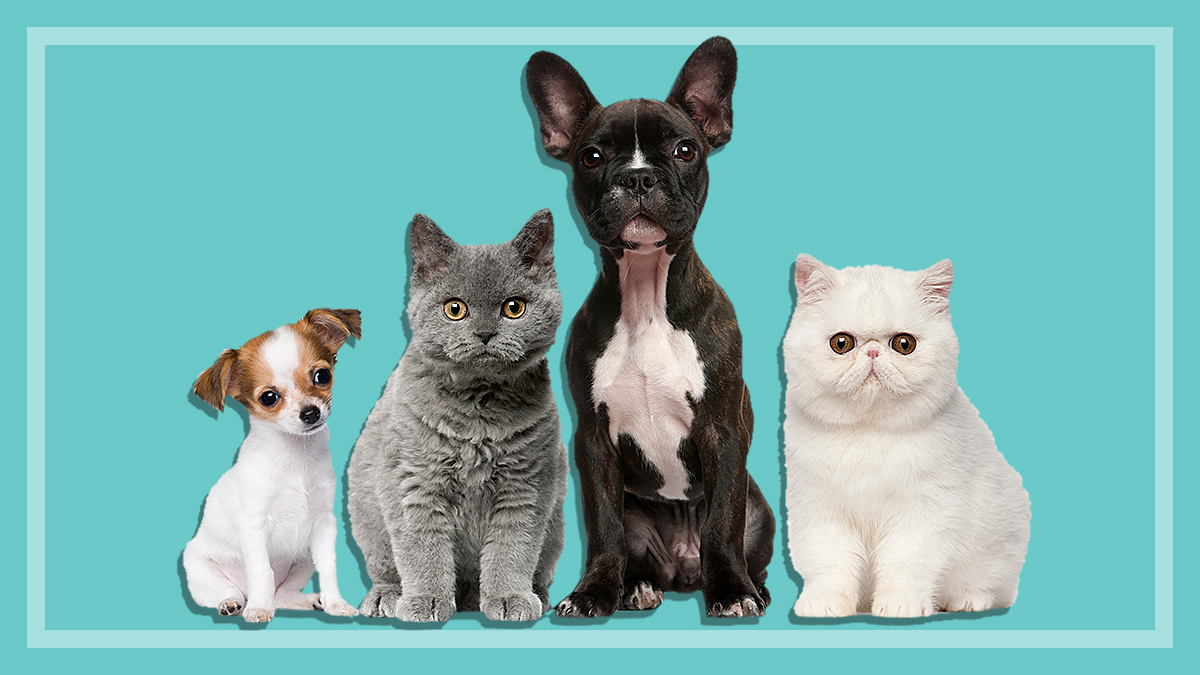
Some cat breeds, including the Himalayan, Persian and British shorthair,
are also brachycephalic.
Louey as a puppy
In dog terms, brachycephalic breeds tend to have wide skulls, squashed
muzzles, short coats and stocky builds, which give them their distinctive
look, but also mean they can suffer from breathing difficulties. In many
cases these health problems affect the dog’s quality of life, and can cost
unsuspecting owners thousands of dollars in corrective surgery.
Sue says she had “no idea” there were so many potential problems with the
French bulldog breed when she paid $3000 for her pet. She found out the
hard way with her puppy needing $4000 worth of surgery urgently to correct
his soft palate, and is now looking at an estimated further $6000 for
surgery to allow him to breathe properly.
And she’s not alone. Many pet owners are paying top dollar for dogs they
have no idea are plagued by health issues that cause distress to the dogs
and cost serious money to fix.
Pugs and Frenchies: so hot right now
You don’t have to go far online or in real life to see how popular pugs and
Frenchies are at the moment. Instagram feeds like Manny the French bulldog
and Doug the Pug have millions of followers and celebrities like Hugh
Jackman and Leonardo DiCaprio regularly appear in public cuddling their
Frenchies.
These cute little dogs have also become a staple image in advertising,
featuring on everything from mugs and T-shirts to other pop culture
paraphernalia. In the UK the breeds are so popular the British Veterinarian
Association issued a press release before Valentine’s Day calling for
greeting card manufacturers to stop using images of the dogs as it was
driving their popularity.
As a result, these dogs are on plenty of people’s wish lists. Groups like the RSPCA and the Australian Veterinarian Association (AVA) are
concerned about the implications of their growing popularity and what it
means for both the owners and the dogs themselves.
Designer dog deformities
Thomas Gainsborough’s ‘A Pug’
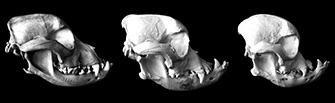
Several hundred years ago, breeds like the pug and bulldog looked very
different to how they look now. A Thomas Gainsborough painting from the 1700s
depicts the pug as a robust little dog with a decent sized snout. But over
the years, certain traits that have been promoted as being specific and
desirable to these breeds (as set out by the strict breed standards) have
been exaggerated to the point of deformity.
The current breeding standard for British bulldogs as per the Australian
Kennel Club states, “The skull should be very large – the
larger the better”. And, “The face, measured from the front of the cheekbone
to the nose, should be as short as possible, and its skin should be deeply
and closely wrinkled.”
The evolution of the British bulldog’s skull.
But what wins a pedigree dog a ribbon in the show ring doesn’t necessarily work in real life. It’s been estimated that more than 80% of British bulldog births now have to be delivered by caesarean due to their large heads. And according to Dr Bronwyn Orr, scientific officer at RSPCA Australia, breeds with exaggerated features can have very poor quality of life. “If they get too hot, or walk too far, they can struggle to breathe or even suffer heat stroke. Basically, they can’t behave like a normal dog, thanks to all their physical limitations and health issues.”
Some of the more common problems experienced with these extreme features
include:
Difficulty breathing
With short muzzles and flat faces, brachycephalic dogs are often snuffling
and snorting. While many may write this off as a cute quirk, it’s the sound
of an animal struggling to breathe. Some animals will faint or collapse
from a lack of oxygen and can have trouble sleeping. This complaint is called Brachycephalic Obstructive Airway Syndrome, or BOAS.
Heat stroke
Not being able to breathe affects a dog’s ability to regulate its body
temperature, and some dogs collapse from heat exhaustion (sometimes
fatally).
Eye trauma
Bug eyes in flat faces mean the eyes are vulnerable to injuries and ulcers and
can even pop out of their sockets. Loose and wrinkly skin can also cause
problems that require eye lift surgery.
Birthing pains
Because they’ve been bred to have large heads, broad shoulders and narrow
pelvises, pugs and bulldogs (both British and French) have trouble giving
birth and generally require veterinary assistance and a caesarean section.
Back and hip problems
Many breeds can suffer from hip dysplasia where the hip socket fails to
develop properly and deteriorates over time. Some brachycephalic dogs are
also at an increased risk of intervertebral disc disease (IVDD) which can
lead to spinal instability.
The RSPCA and AVA recently launched the Love is Blind campaign calling for
urgent changes to breed standards, so that exaggerated features are no
longer required or considered desirable, and health and welfare are
given more importance.
The costs of common surgeries
Text-only accessible version
Eye surgery
Average cost: $1083
Maximum cost: $6188
Intervertebral disc conditions
Average cost: $5209
Maximum cost: $10,343
Breathing obstruction surgery (BOAS)
Average cost: $1321
Maximum cost: $12,294
Heat-stroke treatment
Average cost: $911
Maximum cost: $5075
Hip dysplasia surgery
Average cost: $2628
Maximum cost: $11,154
Source: Based on claims data from PetSure.
Can you sue a dog breeder?
With some dog owners shelling out upwards of $6000 for their new puppy, is
it fair to expect that the animal should be of good health? And who is
liable once the vet bills start rolling in?
According to Sarah Agar, CHOICE head of campaigns and policy, “If you buy a
pet from someone who is in the business of breeding and selling, then you
will have the same consumer rights that apply when you buy any other
product.”
However, she does concede that the area is a lot more complicated than,
say, buying a washing machine. “I think the guarantees might provide some
consumers with remedies for sick pets in certain circumstances. I am
inclined to believe that if you buy a pug and it then develops common pug
issues, this is unlikely to be considered a defect unless you specifically
sought a promise from the breeder that your pug would not have these
problems.”
Anastasia Smietanka, co-founder of the Animal Law Institute, says that
while the Australian Consumer Law has various avenues that a
person may rely on to successfully sue a breeder – including the consumer
guarantees, misleading and deceptive conduct and unconscionable conduct –
each separate avenue is complicated and can lead to a different remedy.
She says that you could argue that a pet with a certain medical
condition or problem is not of ‘acceptable quality’ because a reasonable
consumer would expect it would not have this condition, but as far
as she is aware no tribunal or court in Australia has considered whether
the consumer guarantees would protect a person who bought a brachycephalic
dog like a pug or bulldog.
“Because the statistics of pugs and bulldogs having difficulty breathing
are so high (some studies quote 50%), there is argument that a reasonable
consumer could expect that a pug or bulldog is likely to have breathing
issues so a dog with breathing problems is not of unacceptable quality. It
is an untested argument.”
Pet insurance for pugs, Frenchies and other brachycephalic dogs
If you have your heart set on a ‘brachy’ dog, you’ll want to take out pet
insurance as soon as you get your puppy and while it’s under three months
old, according to the RSPCA’s Orr.
As all insurance companies won’t pay out future claims for ‘pre-existing
conditions’, she says it’s essential to get insurance when the dogs are
really young. “The clinical signs of BOAS [Brachycephalic Obstructive Airway Syndrome] start to appear around six to 12
months old if severe, and 18 months old if mild, worsening with age,” she
says.
She adds that if a veterinarian writes in an animal’s history, before a policy has been taken out, that the dog was ‘snuffling’, ‘snorting’ or breathing ‘typical for breed’, insurers can refuse claims related to future
respiratory disease.
An emotional investment and a consumer win
Tara Mackay and her partner were awarded almost $8000 in compensation from
the Victorian Civil and Administrative Tribunal after they were sold a
puppy from a pet store that had a life-threatening genetic condition.
The $1200 cavoodle puppy (which isn’t a brachycephalic breed) started “screaming in pain” within weeks. After months of agony and exploratory
surgery, he was finally diagnosed with an abnormality that stopped his blood
being cleansed by the liver.
Mackay said she contacted the pet shop numerous times, trying to get more
information about the dog’s parentage to diagnose the problem, but was ignored. Eventually, she says, the unsympathetic owners offered her a “replacement puppy”, which she declined.
“We have an emotional investment in this dog. We considered him part of our
family we didn’t want another dog.” Having had no luck in dealing with the
pet shop, Mackay decided to approach the issue with her puppy like any
other consumer issue and took the matter to the tribunal.
She says the case got a lot of interest from the media and from law
students as it was fairly unusual.
“I think usually people attack on an
emotional level with pets but we decided to attack it as a consumer law
issue instead.”
The result was the shop owners were required to compensate Mackay and her
partner for the vet bills they had incurred. However, the couple had to
agree that they would not seek any further compensation going forward as it
was not reasonable to expect the shop to be liable for the dog’s health for
life.
Mackay agreed as the operation had resolved the issues and her dog is now a
happy and healthy five-year-old. She says that if the pet shop had been
more helpful and responsible in the first place she may never have sought
compensation. “Their poor actions spurred me on, we hadn’t just purchased a
consumer product, we had purchased a life and they made it very clear they
didn’t care about that life.”
The pugly truth
Joanna Herceg of Pug Rescue and Adoption Victoria says her volunteer
organisation takes in about 70 surrendered pugs a year to rehabilitate and
rehome. She says the rescue centre spends roughly $3000 in vet bills per
dog to get them to a reasonable state of health, thanks to the breed’s many
problems.
While Herceg says these issues are part of owning one of these dogs, many
new pug owners are shocked to discover their expensive dog will keep
costing money. “I see people all the time who have no problems spending a
couple of thousand dollars in cash to buy a pug but then when it comes to
paying the vet bills suddenly they are saying they can’t afford to pay
anymore.”
She says pugs are not an easy breed. “These are high maintenance dogs and
they aren’t for everyone. They have health problems, they can’t deal with
the heat, they are stubborn, need training and they are emotionally needy.”
Despite this she says designer dogs are business is a multi-million dollar business with her beloved breed sitting front and centre. “They are so popular
now, they are everywhere – from YouTube to T-shirts. It makes me so sad to
see so many people who are making money out of them.”
Don’t get sold a pup
While there are many rescue dogs already waiting for homes, if you do have
your heart set on one of the more extreme breeds, do some ground work
before you buy – for your own sake and that of the dog.
If your breeder has told you that your pet will be free of specific
illnesses or breed-related problems, you can rely on that promise and seek
a remedy if your fur buddy develops those problems or illnesses.
Get these promises in writing, to make it easier to enforce your rights
if something does go wrong.
It’s reasonable that all animals might develop health problems from time
to time. If your new pet gets sick and it’s not an illness that your
breeder screened for and spoke to you about, then you may not be able to
get a refund on your vet bills.
A lot of breeders do care about their reputation, the animals and the happiness of their
customers, so it’s always worth talking to them about possible
remedies if a pet you buy develops a serious health problem.
For more than 60 years, we've been making a difference for Australian consumers. In that time, we've never taken ads or sponsorship.
Instead we're funded by members who value expert reviews and independent product testing.
With no self-interest behind our advice, you don't just buy smarter, you get the answers that you need.
You know without hesitation what's safe for you and your family. And our recent sunscreens test showed just how important it is to keep business claims in check.
So you'll never be alone when something goes wrong or a business treats you unfairly.