Do you need a DEXA scan?
DEXA scans are being touted as the gold standard in body composition measurement – but is a session worth it?
Last updated: 10 Oct 2017
With spring well and truly sprung, cue a sudden urge across the nation to
clean up our acts – diet and exercise-wise – before the summer weather and
clothing arrives.
On this page:
But before embarking on any kind of ‘get healthy’ regime, it’s always a
good idea to get a picture of exactly where your body measurements are at
so you can calculate and track the changes you want to make.
While scales can calculate your weight (and some can also estimate body fat) our CHOICE tests show that they are often far from accurate.
Body Weight Mass Index calculators are easily available online and can be a useful guide. However, they don’t always provide the full picture and in some cases can be quite misleading as the BMI can’t distinguish between muscle and fat.
What is a DEXA scan?
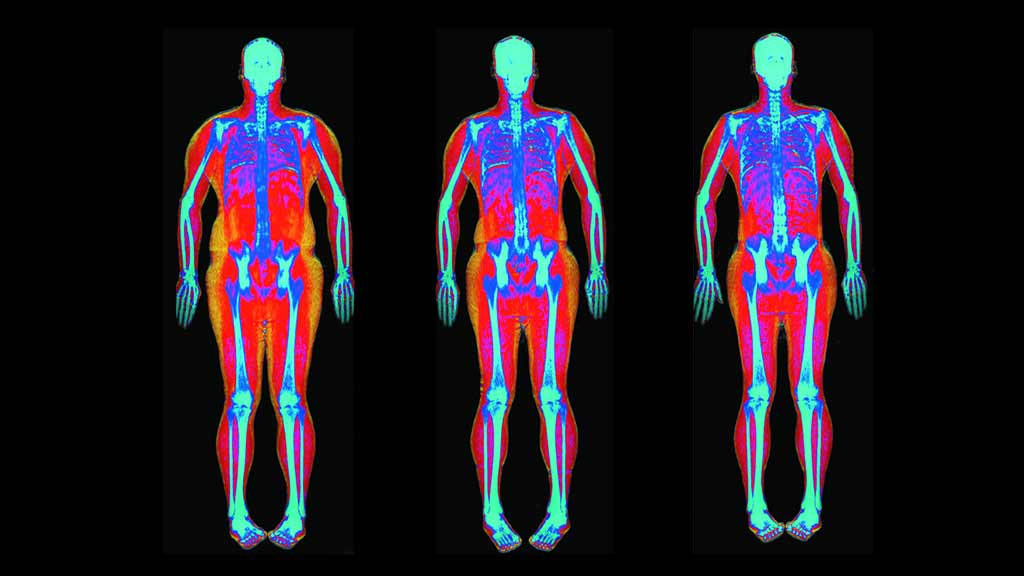
Dual-energy X-ray absorptiometry (DEXA) scans, also called DXA scans, are an enhanced form of X-ray technology. These scans are often referred to
as the “gold standard” for body composition measurements and provide data
on:
-
weight
- body fat
- muscle mass
- bone density.
DEXA is a non-invasive medical test that involves exposing the body to a
small dose of ionizing radiation in order to produce pictures of what’s
happening inside of the body.
Not only can DEXA measure what your body fat percentage is, it can also
clearly show where it’s located, which is particularly useful when it comes
to what’s called visceral fat. Unlike the squishy subcutaneous fat which
tends to collect on the thighs, bottom and arms, visceral fat is stored in
the abdominal cavity and wraps itself around organs such as the pancreas,
liver and intestines. Unlike subcutaneous fat, in some cases it can be hard
to see externally, so you may not know it’s there.
Carrying a high amount of visceral fat is dangerous as it can lead to
glucose intolerance and type 2 diabetes. It can also increase the risk of
heart disease, breast cancer, colorectal cancer and Alzheimer’s.
The appeal of these scans is understandable – as well as providing the
bigger picture, DEXA also makes you face the truth. There’s no holding in
your stomach when you are measuring up or leaving one foot off the bathroom
scales.
As DEXA scans become better known, there are plenty of operators popping up
around the country offering scans to consumers in gyms, clinics and even
via personal trainers. And while the data can provide a really good insight
– the devil is in the detail and how those results are explained.
What to expect from a DEXA scan session
I booked an appointment with a large clinic in the Sydney CBD. The cost for
a 30-minute session was $160, which includes the scan itself and a review
afterwards with an accredited exercise physiologist. As I make my way in
for my appointment I can’t help but feel a little trepidation – will a
lifetime of active exercise avoidance and a love of pasta and wine expose
me, once and for all?
I’m taken into a room where a consultant collects the basic details before
I hop up on the table for the scan. The scan itself is very simple – it’s
done fully clothed and only takes a few minutes.
The scanner moves around your body compiling a full picture of your skeletal structure, muscle and body fat. I watch the screen attached
to the ceiling as it slowly fills in the layers of my body imaging,
revealing bones, teeth, brain, muscles and fat. It also picks up any metal
in the body so my dental implant and wedding ring make an appearance.
While the images are cool to watch, the subsequent report can seem a little
overwhelming as reams of numbers and percentages appear. Fortunately, the
session I booked comes with an expert who reveals how to interpret these
numbers. Andrew, an accredited exercise physiologist, goes through my data
carefully to explain not only what the figures mean but their context in
terms of my age, gender and racial background.
Using some good data (yay for muscle mass) and some not-so-good data (not so
yay for body fat), he was able to provide me with advice on what kind of
lifestyle changes can improve and optimise my health, as well as what I
should focus on in the future.
We also went through my current diet and exercise regime and Andrew made
suggestions on what I could change to improve some of my results. His
advice was sensible, evidence-based and advocated a slow and steady
approach, along with some guidance on the best balance of macros
(macronutrients consisting of carbs, protein and fat) in terms of diet and
suggestions for some easy options for increasing activity levels too.
He also recommended a follow-up scan to see if the new regime is having an
effect (an excellent motivator) in about eight weeks’ time.
Pros and cons of DEXA scans
Would I do it again? Unlike scales or measuring tapes, the DEXA cannot be
argued with, and while not cheap, it can provide an excellent motivator to
track changes if you do want to embark on a diet or fitness regime.
However, if you’re going to spend the money, make sure the provider you use
has the expertise to provide useful information and make sense of the
numbers.
DEXA downsides:
- It’s expensive – my session cost $160, which included the session with
the expert and the printouts. Other places we have seen charge as little
as $50 for a session but may not be as comprehensive.
- To see progress you will need a follow-up appointment, which can cost you
again – though the clinic I attended offered a package of up to three
sessions at a discount.
- It relies heavily on interpretation. The session I attended was thorough and
provided a good explanation of the results by an expert. However, a scan
alone won’t be much value if it isn’t explained.
DEXA upsides:
- The data is accurate and gives you the full picture of your body
composition. A good consultant can help to interpret the data and make
suggestions on changes to diet and exercise.
- It can be a great motivator – with such accurate data you can track
exactly what has changed in great detail with a follow-up scan.
- It’s quick and very easy to do. Apart from taking off your shoes and
lying down it’s the easiest weight-check you may ever do.
Kate Browne worked at CHOICE from 2006 to 2018, as an investigative journalist and lifestyle editor.
You can find her on LinkedIn.
Kate Browne worked at CHOICE from 2006 to 2018, as an investigative journalist and lifestyle editor.
You can find her on LinkedIn.