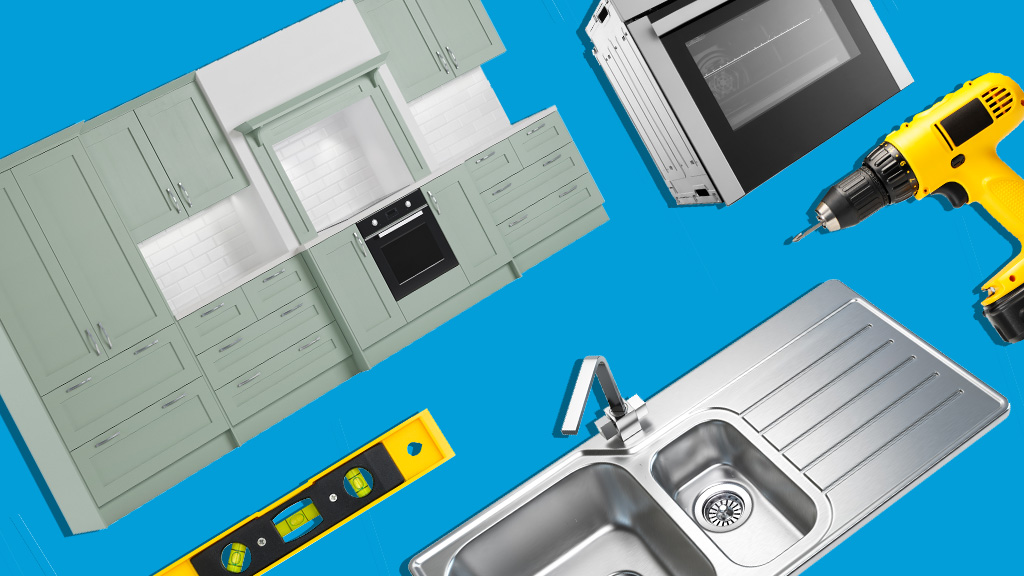
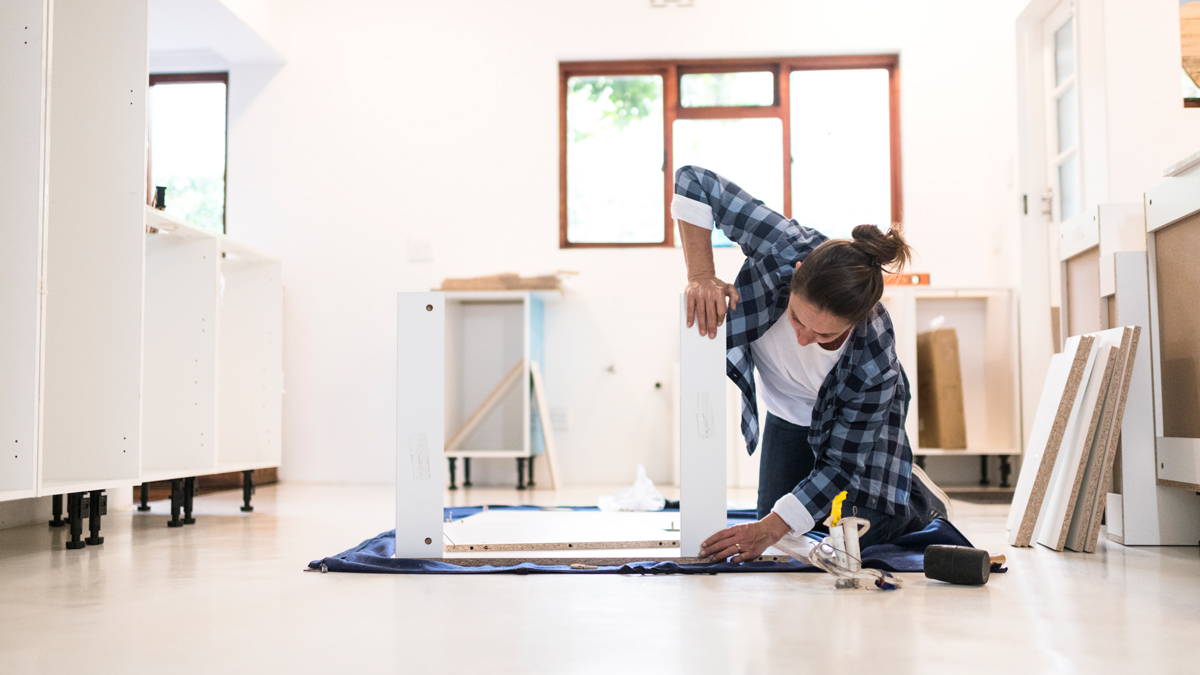
Whether you’re building a new home or you’ve decided it’s time to give your kitchen a fresh look, knowing where to start can seem pretty daunting. Perhaps you’ve been collecting inspiration from magazines and social media and you know what look you want. Here we’ll give you information on what to consider to make your kitchen the heart of the home.
Before diving head first into the project, ask yourself these questions:
What’s your budget?
How do you use your kitchen?
How many people do you cook for and do you do a lot of entertaining?
What appliances do you need?
If it’s a renovation, are you keeping the same kitchen footprint, or are you going for a complete makeover?
What professionals do you need on hand for the job?
The layout
Choosing the right layout for your kitchen will go a long way towards making sure it functions well. You may have the freedom to play around with the layout, or you might be restricted to one format. Whatever your situation it’s important that:
the area isn’t too cramped
you aim for a ‘kitchen work triangle’ that positions the sink, cooktop and fridge in a functional triangle
you leave enough space for cleaning, cooking, storage and entertaining.
The size and shape of your space will largely determine which layout works best. There are four main layouts to choose from:
Gallery
U-shaped
Single-wall
L-shaped
The cabinetry
Cabinetry sets the style for your kitchen and will also account for the majority of the renovation costs. Here are your options:
Ready-to-assemble cabinets (available from chains like Bunnings and Ikea) and stock cabinets that come in fixed sizes are the most cost-effective option. But you’ll be limited in style and colour choices, and installation can be tricky.
Semi-custom or custom-made is an option if your budget allows it, giving you the flexibility to design a kitchen that fits your space like a glove.
What’s trending:
White, simple cabinetry – it won’t date quickly and gives you the freedom to let other features (like your flooring, splashback, benchtop, accessories and appliances) to stand out.
Streamlined kitchens (think cupboards and drawers without handles) are also popular.
What about a kitchen reface?
If you don’t want to change the layout of your kitchen but still want to freshen it up, you might want to consider refacing. This works if your existing cabinetry is in good condition and involves keeping the cabinetry and replacing the doors, drawer fronts and exterior panels. It’s a cost-effective way to give your kitchen a facelift without spending too much.
The benchtop
Your benchtop choice will likely shape other big decisions such as cabinetry, splashback and flooring. Aesthetics matter, but it’s equally important to think about:
how you use your kitchen
how much effort you want to put into cleaning and maintenance
how much you want to spend.
We reviewed kitchen benchtops in our labs including bamboo, concrete, granite, laminate and stainless steel types, assessing their ability to resist heat damage, staining, impact, cutting and abrasion. To read more about our results take a look at our kitchen benchtops buying guide.
The appliances
Appliances will put in the hard yards – choose wisely so your kitchen not only looks great, but delivers the goods too.
Allocate a budget to your appliances – if you’re an avid home cook you may be willing to spend a bit more here, but there are appliances that look and work great without blowing the budget.
Ovens
Your oven will be exposed to a lot of dirty (but delicious) work. Think about how often you’ll use it, if you want it to come with a pyrolytic (self-cleaning) function or catalytic liners, and how large you want it to be. You’ll also need to decide if you want a built-in or freestanding oven.
Built-in ovens
A built-in oven gives you more flexibility with your kitchen layout – the oven doesn’t have to go under the cooktop and can either fit in a wall or under a bench at a height that suits you. You can choose a standard size of 60cm, but extra-wide models are also available, ranging from 70–90cm. There’s even the option of a double oven.
To see which ovens perform best, take a look at our wall oven reviews.
Freestanding ovens (combination of oven and cooktop)
A freestanding oven gives you a cooktop and oven all in one. You can choose a gas or electric oven and pair it with a gas, ceramic or electric cooktop. If you’re short on space a 60cm model will do the job. But if you have the room, a large family or love to cook up a storm, a 90cm model will be more your size. Retro-style ranges can also make a kitchen statement.
Modern freestanding ovens have one main compartment which includes the grill. This means more grill tray positions and the advantage of being able to bake large quantities of food at the same time. On the flip side it can also mean accumulated oven grime, so it’s important to look for one with a smokeless grill tray and a built-in cleaning function.
Retro freestanding ovens have divided compartments, giving you the freedom to cook different foods at the same time. Having a separate grill is great to reduce fat splatters, but the smaller grill and oven compartments can limit the amount of food you can cook. They can also have a tall oven, however the downsides are a narrow cavity and only a fan-cooking function. The tall oven will usually have multiple shelves, which is great for multi-shelf cooking like baking scones and biscuits. Keep in mind that smaller compartments may not take standard-size baking trays.
If you’ve opted to go for a separate oven and cooktop the next decision you’ll need to make is about what size and type of cooktop you’re after. If you’re limited by bench space, a 60cm (four burner or element) cooktop is ideal, but if bigger is better, look for a 90cm (five or six burner or element) model. Then you’ll need to decide what type you want – gas, ceramic or induction.
Gas cooktops
Pros
Instant heat control.
The flame gives you visual feedback on the intensity of heat.
Variety of designs from enamel, glass or stainless steel tops to enamel or cast iron trivets.
Many come with a specially designed burner for woks, ideal for stir-fries and some larger models also have an oblong- shaped burner to use with a grill or hotplate for barbecuing.
Cons
Cast iron trivets can be bulky and difficult to clean and glass and stainless steel finishes require extra attention to avoid undesirable smudge marks.
You’ll need a rangehood to suck the smoke and steam out of your face and out of the kitchen. They generally come in 60cm and 90cm widths and should match the size of your cooktop. You’ll need to decide if you want your rangehood to be tucked away in a cupboard or on display above the cooktop.
There are four types to choose from:
Fixed rangehoods cover most of the cooking area and also have a larger filter area, but they can get in the way if they’re at head height.
Retractable (or slide-out) rangehoods have a fan and light that turns on as you manually slide them out but they generally have a smaller steam collection area.
Canopy rangehoods are on display above your cooktop, looking like a freestanding flue.
Undermount rangehoods are tucked out of sight and are integrated into a kitchen cupboard.
In some cases ducting your rangehood isn’t possible (i.e. cost, apartment living, double storey home) and you’ll need a recirculating model. This type sucks the air through filters and recirculates it back into the room, so carbon filters will need replacing.
Consider where to put your microwave. Perhaps you want it tucked away out of sight, or maybe you’ve allowed for a dedicated area under a bench or as part of a top cabinet. Maybe you’re planning to just sit it on the bench. There are two types to choose from:
Standard microwave
This is great if you only want a microwave on hand for reheating, defrosting and basic cooking tasks.
If you have a dedicated space for a microwave in your kitchen plan, make sure it’ll fit with enough room for ventilation. Remember, you’ll need to pay closer attention to installation if you’re opting for a built-in convection model. It’ll require a trim kit and needs to be installed by a qualified electrician. Otherwise, look for a freestanding or benchtop model.
Fridges
A fridge is one of the most expensive appliances in your kitchen and one that will hopefully be with you for many years to come. Make sure:
you’ve allowed enough space for the fridge you want
you’ve allowed enough room at the sides, top and rear for ventilation
it’ll fit through doors and hallways to get to its designated spot.
How much space you’ve allowed for your fridge will largely determine which type you go for:
Freezer on the top (top mount) – cheapest type to purchase and run.
Freezer on the bottom (bottom mount) – convenient design, with what you use most at eye level.
Side by side (fridge next to freezer) – with lots of features like ice and water dispensers and plenty of fridge space.
French door (bottom mount freezer with two-door fridge) – combines the convenience of a bottom mount fridge with extra features like ice and water dispensers and plenty of space.
Pigeon pair (separate but matching freezer and fridge) – takes up a lot of space if you want them to stay side by side but allows for lots of storage space in each compartment.
Just how big you need it to be can be largely determined by how many people will be using the fridge. As a guide:
Household size
Recommended volume
Price range
1-2 people
250-380L
$429-$2399
3-4 people
359-530L
$699-$4799
5 or more people
440L+
$1079-$5499
Take a look at our fridge buying guide for more important information to consider.
To see how they perform in our labs check our fridge reviews.
Dishwashers
If you didn’t have one before, a dishwasher has probably made it onto your wish list during your kitchen renovation. And when you discover that modern dishwashers actually use far less water and energy than washing by hand, you’ll be wondering why you didn’t get one sooner.
There’s a variety of types to choose:
Freestanding –ideal if you don’t have under-bench space.
Built-in –needs to be mounted under the kitchen bench.
Semi-or fully-integrated –ideal if you want to keep your dishwasher hidden.
Drawer, compact or slimline –ideal if you’re strapped for space or just don’t need to clean that many dirty dishes.
Take your tallest glassware and largest dinner plate to the store when looking for a dishwasher – you’d be surprised that they might not fit in all internal configurations. And when it comes to installation, don’t forget to anchor your dishwasher – you don’t want it to tip while you’re loading or unloading.
Rebecca Ciaramidaro is a Content producer in the Household team at CHOICE. Rebecca writes about a wide range of children's and household products, ranging from cots and strollers to ovens, BBQs, espresso machines and electric blankets. And also grocery items such as nappies, sanitary pads and laundry detergents.
Previously at CHOICE, Rebecca worked as a Test officer in the kitchen lab.
Rebecca has a Bachelor of Science (Nutrition and Food) from the University of Western Sydney.
Find Rebecca on LinkedIn.
Rebecca Ciaramidaro is a Content producer in the Household team at CHOICE. Rebecca writes about a wide range of children's and household products, ranging from cots and strollers to ovens, BBQs, espresso machines and electric blankets. And also grocery items such as nappies, sanitary pads and laundry detergents.
Previously at CHOICE, Rebecca worked as a Test officer in the kitchen lab.
Rebecca has a Bachelor of Science (Nutrition and Food) from the University of Western Sydney.
Find Rebecca on LinkedIn.
For more than 60 years, we've been making a difference for Australian consumers. In that time, we've never taken ads or sponsorship.
Instead we're funded by members who value expert reviews and independent product testing.
With no self-interest behind our advice, you don't just buy smarter, you get the answers that you need.
You know without hesitation what's safe for you and your family. And our recent sunscreens test showed just how important it is to keep business claims in check.
So you'll never be alone when something goes wrong or a business treats you unfairly.