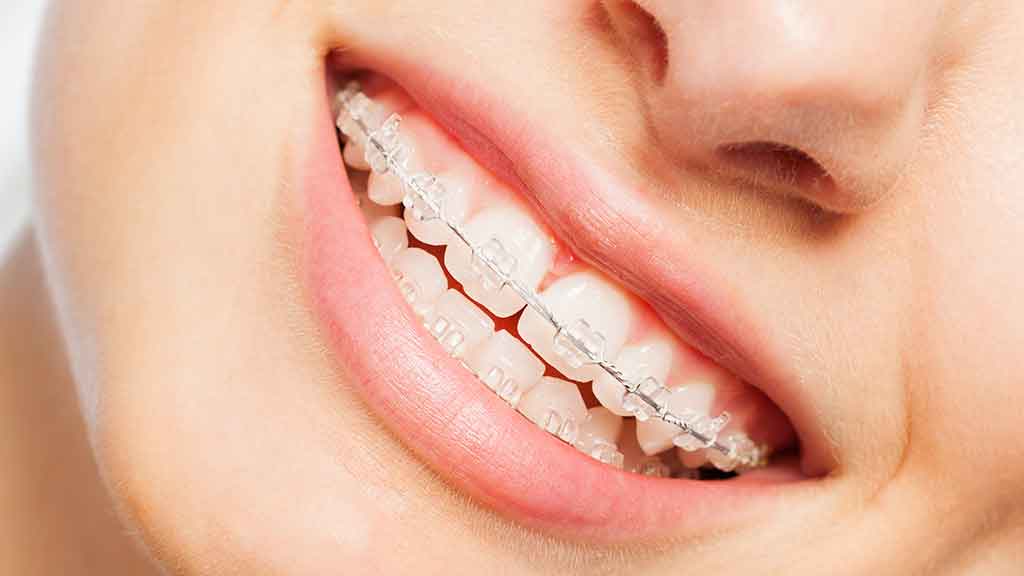
Orthodontics is a big investment, in both time and money. Health insurance
can help with the costs, but how do you know whether you’re getting a good
deal?
This article is for people who are considering buying extras cover, or
upgrading their existing cover, in order to claim benefits for
orthodontics. It is primarily written for families whose children need
braces, but the advice is just as valid for adults considering
orthodontics.
Not all extras policies are created equal. Some might only cover a couple
of hundred dollars worth of orthodontics, while a few premium policies will
pay over $2500. If you’re considering using extras to help manage the cost,
you have to consider a few things:
It only works if you claim back more than you spend
This is the most important part. If you spend more on premiums than you
claim, you’re wasting your money. Good cover for orthodontics comes at a
price, so you should be looking at ways to reduce the amount of time you’re
paying for a top-shelf policy.
Extras policies that include cover for orthodontics typically cost around
$1600 a year for a family extras policy – more if your household income is
higher than $186,000, due to the lower government rebate. Over three years
you might expect to pay $5000 in premiums.
Our research found that claiming against only one course of orthodontics
won’t be enough to cover the premium over three years. Even if you include
rebates for twice-yearly dental checkups for two parents and a child, most
policies don’t stack up financially.
You’ll also need to claim things like optical and physio
In almost all cases this is the only way to make your extras worthwhile.
Claiming on glasses, physio, massages and psychology are all ways get value
from your extras. Will your orthodontic treatment require a tooth
extraction? Get it done at your dentist and you may also be able to claim a
couple of hundred dollars for this as well.
Plan your year in advance. Know how much you will need to claim to make it
worthwhile. Extras can be a good budgeting tool, but you still need to
write up that budget.
Text-only accessible version
What do orthodontics cost?
The average annual out-of-pocket costs for orthodontics are:
Only Navy Health and Defence Health offer children-only policies, so you’ll
likely need to get cover for at least one parent. There’s typically no
price difference between policies for childless couples and two-parent
families. However, if you’re a single parent you’ll pay more to cover your
children than you would to cover just yourself. The good news is, adding
extra kids doesn’t affect the cost of a policy.
If you’re a two-parent family and your main focus is cover for the kids’
braces, a cheaper policy covering just one parent might be worthwhile.
Actual discounts depend on the fund, and not all funds offer
discounts for single parents. The downside to this plan is you’ll have one less person on the policy
able to make claims for physio and optical so consider whether this will
make it harder to claim back the full premium.
Extras policies typically have a 12-month waiting period for orthodontic
cover. Since a typical course of orthodontics lasts between one and two
years, you will need cover for two to three years.
You can’t know ahead of time what your policy will cost in two years, but a
five per cent increase every year on 1 April is a good estimate. If you’re
expecting your income to increase past the
rebate thresholds, your premium will increase even more.
Health funds usually reset their annual limits on 1 January or 1 July. If
you start your course of treatment in the last few months of the year, you
can spread your claims out over three benefit years. Check with your health
fund when their benefits reset.
Starting treatment during the waiting period
What if you can’t wait? Can you still claim against your extras? Funds have
different rules, but will usually still cover you if the treatment is
ongoing after the waiting period ends. The important factor is when you pay
your orthodontist, not when you actually receive the treatment. In this
case, you shouldn’t take the pay-up-front discount, as your health fund
will be unlikely to cover you.
Daniel Graham is a Senior data analyst in the Insurance and utilities team. He maintains the CHOICE database of general insurance products and is the resident expert in insurance pricing. He covers home, car, pet and health insurance.
Previously, Daniel has worked as a finance journalist and data journalist in the investigations team, focusing on insurance stories and comparisons.
Daniel has a Graduate Diploma of Journalism from UTS and a Bachelor of Arts from the University of Sydney. He is RG146 compliance certified to provide general advice in Tier 2 General Insurance and is a member of the Media, Arts and Entertainment Alliance. LinkedIn
Daniel Graham is a Senior data analyst in the Insurance and utilities team. He maintains the CHOICE database of general insurance products and is the resident expert in insurance pricing. He covers home, car, pet and health insurance.
Previously, Daniel has worked as a finance journalist and data journalist in the investigations team, focusing on insurance stories and comparisons.
Daniel has a Graduate Diploma of Journalism from UTS and a Bachelor of Arts from the University of Sydney. He is RG146 compliance certified to provide general advice in Tier 2 General Insurance and is a member of the Media, Arts and Entertainment Alliance. LinkedIn
For more than 60 years, we've been making a difference for Australian consumers. In that time, we've never taken ads or sponsorship.
Instead we're funded by members who value expert reviews and independent product testing.
With no self-interest behind our advice, you don't just buy smarter, you get the answers that you need.
You know without hesitation what's safe for you and your family. And our recent sunscreens test showed just how important it is to keep business claims in check.
So you'll never be alone when something goes wrong or a business treats you unfairly.