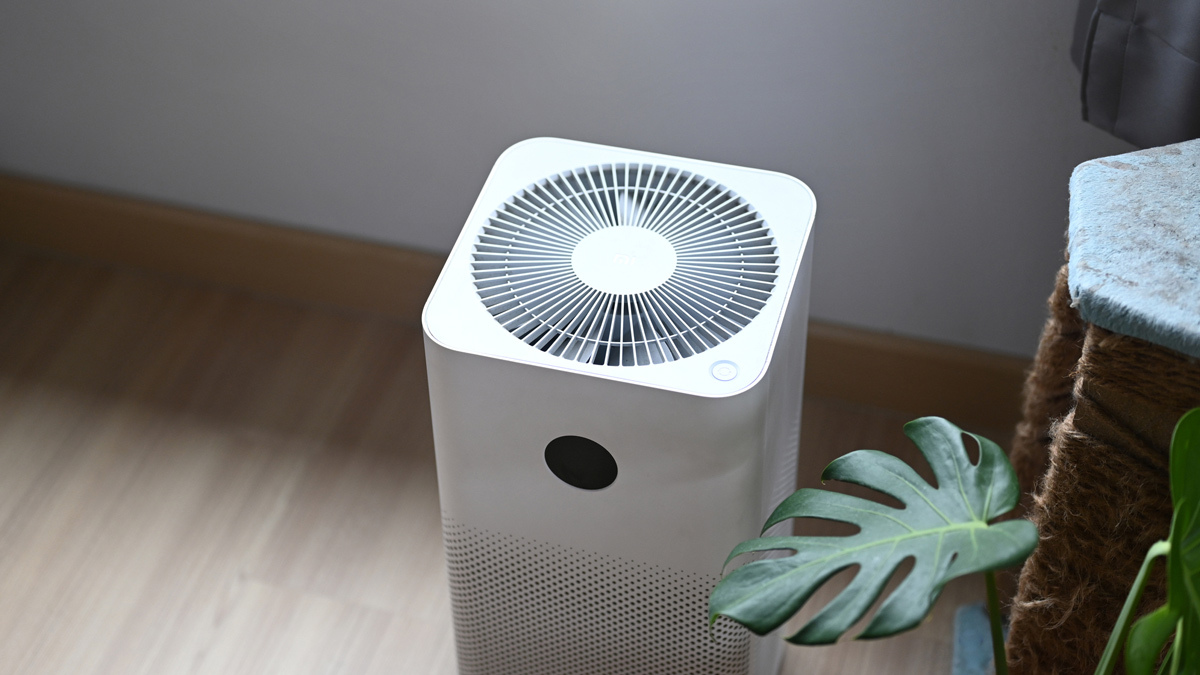
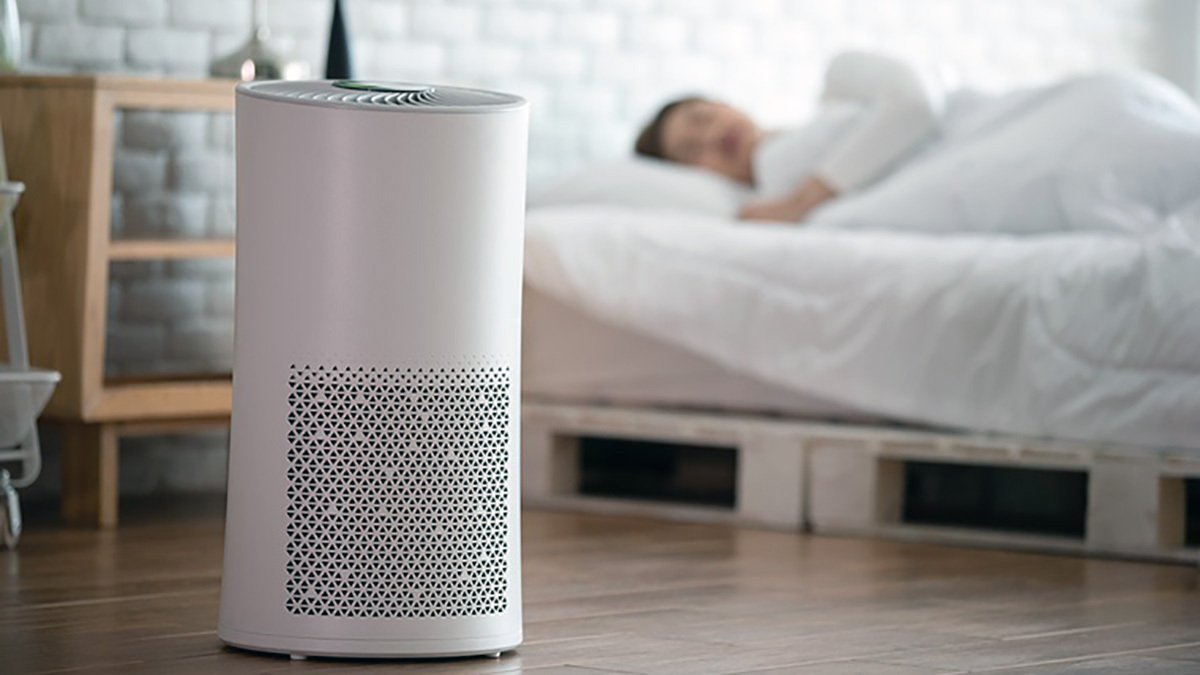
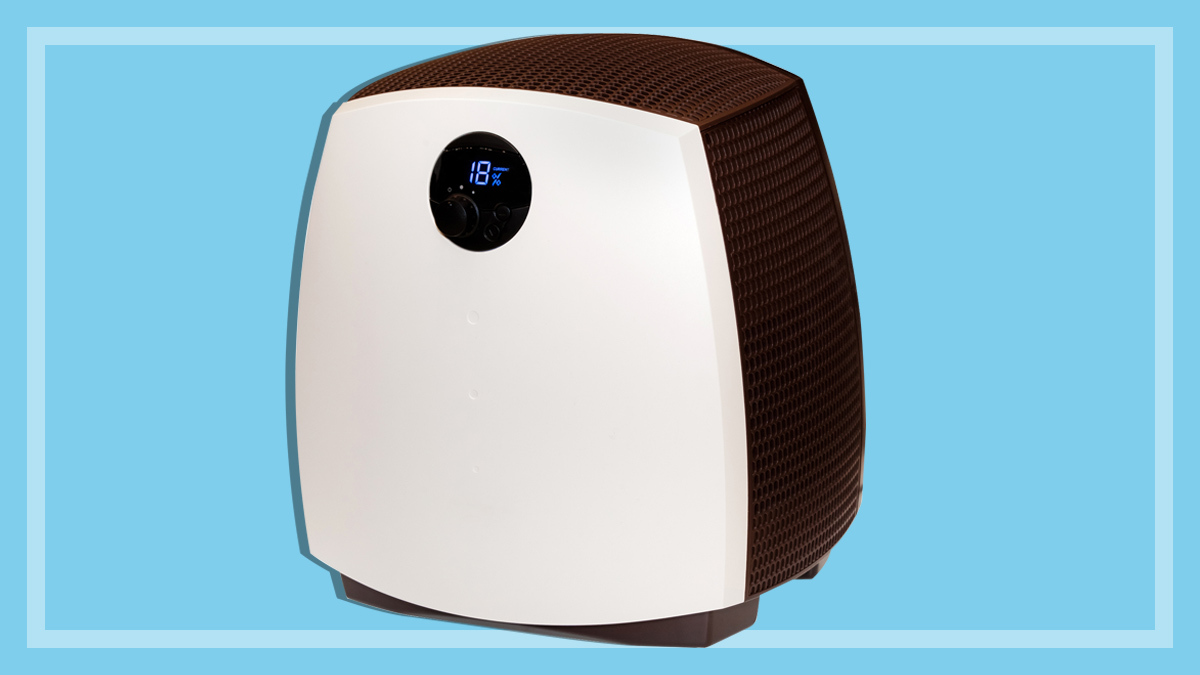
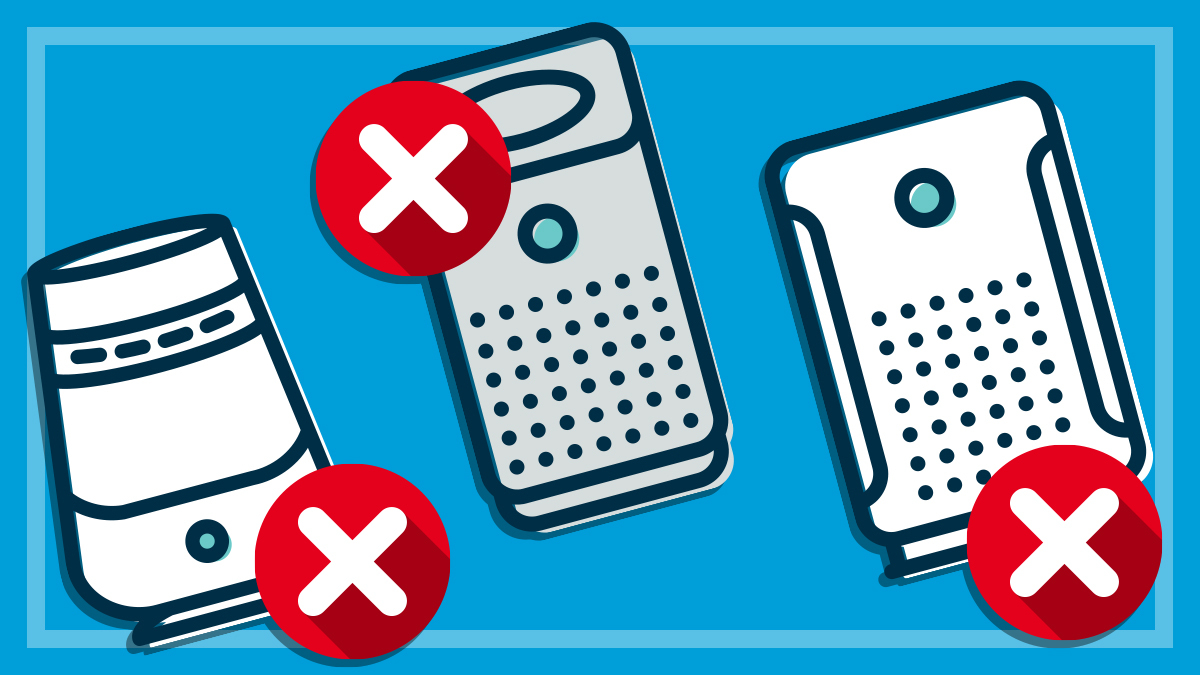
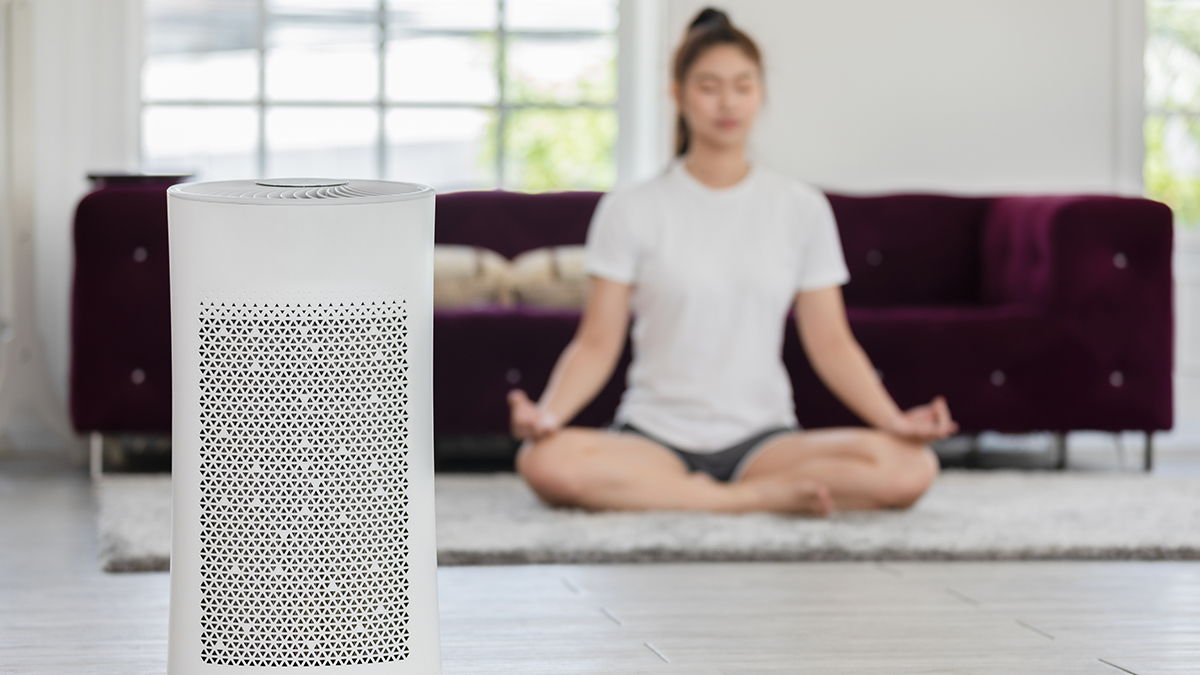
Air purifiers have become a popular solution for Australians looking to clean the air in their homes and workplaces
Air purifiers can help clear the air of dust, smoke, pollutants and allergens, as well as bacteria and viruses but they do have their limitations
CHOICE experts review over 50 air purifiers from brands such as Dyson, Breville, Ikea, Kogan and more. Become a CHOICE member to access full reviews
As we learn to live with more extreme weather events and a heightened awareness of airborne viruses, air purifiers are a popular option for those of us concerned about the quality of the air in our homes, schools and workplaces.
If you or a family member suffers from allergies, asthma or other sensitivities, you may be also looking for a way to reduce irritants such as smoke, pollen and dust in the air you’re breathing.
Air purifiers are billed as an easy way to improve air quality and reduce pollution, and there is a huge variety of brands, sizes and types available at a wide range of prices. CHOICE testing finds that the performance of different models varies, and we’ve looked at models ranging from a $49 Ikea air purifier up to options that cost over $1500.
So, can air purifiers actually benefit your health… Or are they just another useless fad?
But, do air purifiers actually work or are they just another useless fad? Here, CHOICE household products expert
Chris Barnes
takes us through what they can and can’t do, plus some tips for buying.
What can an air purifier do?
1. Help remove common household allergens and pollution
Smoke from controlled burns and bushfires is a reality of living in Australia. Smoke and particulate air pollution is not just irritating; it’s a recognised health hazard, especially for asthma sufferers and people with other health conditions, particularly elderly people and young children.
“Yes, a good air purifier can help clear the air of smoke and odours from bushfires, controlled burning, home wood-fires or tobacco, as well as pollution from nearby roads,” says Barnes.
“They can also help remove common household allergens, such as dust, pollen and mould, that can trigger hay fever, asthma and other respiratory conditions.
“But make sure you buy an air purifier with a HEPA filter, which is a filter that traps very small particles. It’s one of the most important features of an air purifier – not all purifiers on the market have this, so make sure you check the product specifications.”
Look for a product with a HEPA filter, which traps very small particles … It’s one of the most important features of an air purifier
CHOICE household products expert Chris Barnes
The HEPA filter may be used in conjunction with another type of filter such as a carbon, charcoal, ionisation or UV filter, and all have different key uses and effectiveness. For more on different types of filters to look out for, read our air purifier buying guide.
In our expert air purifier reviews, we give individual performance scores for how well each model removes smoke, dust and volatile organic compounds (VOCs) from the air, so you can check each model’s performance against your specific concerns before you buy.
A good air purifier can help clear the air of smoke from bushfires or tobacco, but you should look for a product with a HEPA filter.
2. Help clear the air of viruses, bacteria and mould spores
While we’d all love a magic appliance that rids our homes of cold, flu and COVID viruses, air purifiers aren’t the perfect solution. But they can be useful.
Viruses such as COVID-19 are usually transmitted by small
aerosol particles that are emitted when an infected
person breathes out or coughs or
sneezes. These tiny droplets can stay
in the air for a long time – up to an hour
or more.
In the right circumstances,
a good air purifier can remove most
of these particles from a room’s air.
An air purifier with a HEPA filter can be surprisingly good at trapping viruses and bacteria out of the air
Chris Barnes, CHOICE
“An air purifier with a HEPA filter can be surprisingly good at trapping viruses and bacteria out of the air,” says Barnes.
“The issue is that it can only process what’s in the air that it happened to suck in at the time, so it wouldn’t necessarily process all the air in your home to trap and kill a virus that may be present.
“But, in addition to following health advice such as regularly washing your hands, an air purifier can be worth considering as an extra protection against airborne viruses if you have people coming and going in your house, or if it’s hard to keep your home well ventilated.”
Most air purifiers have sensors to
determine how much pollution is in
the air around them, along with other measurements such as indoor
air temperature and humidity.
Usually they’ll display this
information on the unit or (for
Wi-Fi-connected models) in
an associated app, perhaps as
a detailed particle count or a
simple coloured indicator (such as
green for good, through to amber and red as the pollution level increases).
It can be very interesting – and useful – to see
just how much dust or smoke is
in your home’s air, and the sort of
activities that add to pollution, particularly if you’re sensitive to these types of irritants.
Simply frying food on a gas cooktop can rapidly create a lot of pollution in the air
For example, simply frying food on
a gas cooktop can rapidly create a lot of pollution in the air (even when you don’t
burn the food!).
Spraying insecticide,
using cleaning fluids, and painting
will also add chemicals and fine
aerosol particles to the air.
Leaving
the purifier to run on automatic, so
that it adjusts its speed
to suit the level of pollution, is a good idea if the indoor pollution levels can vary a lot. Hearing
the purifier’s fan rev up indicates that there’s smoke or
other pollution getting into your home.
While an air purifier can be very
good at filtering out germs, it can
only filter the air in the room that it’s
in. Air in other parts of the house might remain untreated. And any virus-laden
droplets that settle onto surfaces
won’t end up going through the air
purifier.
So it’s still very important
that you keep up the usual hygiene
practices: washing your hands,
cleaning hard surfaces and, of course,
trying to avoid bringing germs into
your home in the first place.
2. Guarantee frequent air changes in your home
Ideally, the air in a room should be
replaced by fresh air several times an
hour, to prevent the build-up of carbon
dioxide, odours, moisture and other
pollutants.
The simplest way to do
this in most cases is through natural
ventilation: opening doors and
windows and letting in the breeze.
When that’s not possible, such as
in small rooms with poor ventilation,
or when the outdoor air is too hot or
cold, or too smoky, then an air purifier
will certainly help.
But it’s unlikely to
achieve the same level of air change
in the long term, and it can’t change aspects such as carbon dioxide levels.
Ideally, the air in a room should be replaced by fresh air several times an hour
If you often need to keep your
home closed up, or if it’s just
very well sealed with no air leakage
from windows and doors, then a
mechanical ventilation system might
be a solution. These usually include
air filters to make sure incoming air
is free of dust and other nasties.
3. Reliably filter out dangerous chemicals
We test air purifiers for their ability to remove volatile organic compounds (VOCs). These are typically released into the air from paint, furniture, aerosol sprays, cleaning products and so on.
They include a wide range of chemicals that can cause breathing and skin irritation, headaches and worse. Common culprits are formaldehyde, ammonia, benzene and acetone (we use acetone in our tests).
Although some air purifiers are specifically designed to remove such chemicals, most are not very effective, and several are pretty useless at this particular task.
4. And… you’ll still need to dust your home
Sadly, however good the air purifier is at removing dust from the air, there’s always more that settles on the furniture and the floor. Dusting, vacuuming and mopping will still be a necessary chore.
Whether an air purifier is worth buying and how much you should spend on one depends on things such as what you’d like to use it for and the effectiveness of the product you buy.
“We’ve reviewed a range of air purifiers from different brands, ranging in price from $49 to over $1500,” says Barnes.
“We measure the clean air delivery rate [CADR] of each air purifier to assess how well it clears particles of dust, smoke and other volatile organic compounds [VOCs] from the air – and use that information to give each model a score based on its performance and ease of use.
We are seeing some disappointing products in our labs, some which barely clear anything from the air
Chris Barnes, CHOICE
“The performance of different brands and types of air purifiers definitely varies and we are seeing some disappointing products in our labs, some which barely clear anything from the air.
“How well a model will perform in your home can be affected by things such as its relative size to the size and shape of the room you’re using it in, as well as how many, and which, pollutants are in your air.”
How to choose the right size and capacity
Size really matters when it comes to air purifiers. Our experts recommend you look especially closely at the advertised CADR and consider the size of the room you’ll be using it in.
Most models will advertise what capacity room they’re suited for. You basically want to ensure that the air purifier works hard enough – or has a CADR that’s high enough – so it circulates the full volume of air in your room to clean it thoroughly, otherwise it won’t be doing the job you bought it for.
Generally, the higher the CADR, the better. But keep in mind this standard is tested using very specific settings (with the purifier unit placed in the centre of the room and set to its highest speed) and only relates to the removal of three pollutants: dust, tobacco smoke and pollen.
It may be worth getting a model that’s rated for a slightly larger room than you need
Barnes suggests it may be worth getting a model that’s rated for a slightly larger room than you need.
“That can mean the purifier will clear the room’s air faster on its highest setting, but still comfortably keep the air clear on its lowest and quietest speed (good for when you’re trying to sleep),” he says.
Find out more about CADR and the Dyson-specific test method known as POLAR, in our air purifier buying guide.
If you’re considering buying an air purifier, make sure you take into account the cost of replacement filters, which can add up quickly.
Costs vary between brands and models. Annual filter replacement costs for the models we’ve tested range from as little as $12 to over $700 per year. Those costs are based on the manufacturer’s claimed filter replacement period; your actual filter replacement costs will depend on how often you run your purifier and at what setting.
Read more about our tips for maintaining your air purifier, which includes guidance on how often you should clean and replace the filters, as well as how much they cost for leading brands like Dyson, Samsung and Philips.
Pru Engel is the Audience and engagement editor at CHOICE. Her job is to ensure as many Australians as possible know about the great work we do at CHOICE.
She works closely with our testers and experts to find the gems of information in our data and research that will resonate with Australian consumers and help them make the best decisions, whether they're purchasing an air fryer, looking for a new mattress or trying to find the cheapest car insurance. She also helps to drive meaningful change for consumers by collaborating with our Campaings team on content covering issues such as product safety and scams.
Prior to CHOICE, Pru worked as an editor at many of Australia's leading food and lifestyle titles.
Pru has a Bachelor of Arts in Communication (Journalism) from the University of Technology, Sydney.
Find Pru on LinkedIn.
Pru Engel is the Audience and engagement editor at CHOICE. Her job is to ensure as many Australians as possible know about the great work we do at CHOICE.
She works closely with our testers and experts to find the gems of information in our data and research that will resonate with Australian consumers and help them make the best decisions, whether they're purchasing an air fryer, looking for a new mattress or trying to find the cheapest car insurance. She also helps to drive meaningful change for consumers by collaborating with our Campaings team on content covering issues such as product safety and scams.
Prior to CHOICE, Pru worked as an editor at many of Australia's leading food and lifestyle titles.
Pru has a Bachelor of Arts in Communication (Journalism) from the University of Technology, Sydney.
Find Pru on LinkedIn.
Chris Barnes is a Senior Project Officer. He manages the product reviews that are done outside of CHOICE with external labs or data sources. This includes solar panels, electric heaters, air purifiers and detergents.
Chris also manages our testing services through our commercial arm, Test Research, and he is CHOICE's NATA authorised representative for our lab's formal accreditations.
Chris is involved with the standards committee for air conditioners. And he works with government and industry in areas such as product safety and regulation.
In over 20 years at CHOICE, Chris has managed lab teams for a wide range of products, including children's products, kitchen appliances, laundry appliances, garden power tools and more.
Chris has a Science degree from the University of Sydney.
Find Chris on Twitter (X) and LinkedIn.
Chris Barnes is a Senior Project Officer. He manages the product reviews that are done outside of CHOICE with external labs or data sources. This includes solar panels, electric heaters, air purifiers and detergents.
Chris also manages our testing services through our commercial arm, Test Research, and he is CHOICE's NATA authorised representative for our lab's formal accreditations.
Chris is involved with the standards committee for air conditioners. And he works with government and industry in areas such as product safety and regulation.
In over 20 years at CHOICE, Chris has managed lab teams for a wide range of products, including children's products, kitchen appliances, laundry appliances, garden power tools and more.
Chris has a Science degree from the University of Sydney.
Find Chris on Twitter (X) and LinkedIn.
For more than 60 years, we've been making a difference for Australian consumers. In that time, we've never taken ads or sponsorship.
Instead we're funded by members who value expert reviews and independent product testing.
With no self-interest behind our advice, you don't just buy smarter, you get the answers that you need.
You know without hesitation what's safe for you and your family. And our recent sunscreens test showed just how important it is to keep business claims in check.
So you'll never be alone when something goes wrong or a business treats you unfairly.